Senate Restricts Presidency, Principal Offices to Ranking Lawmakers Ahead of 2027
A Rule Change With Political Weight

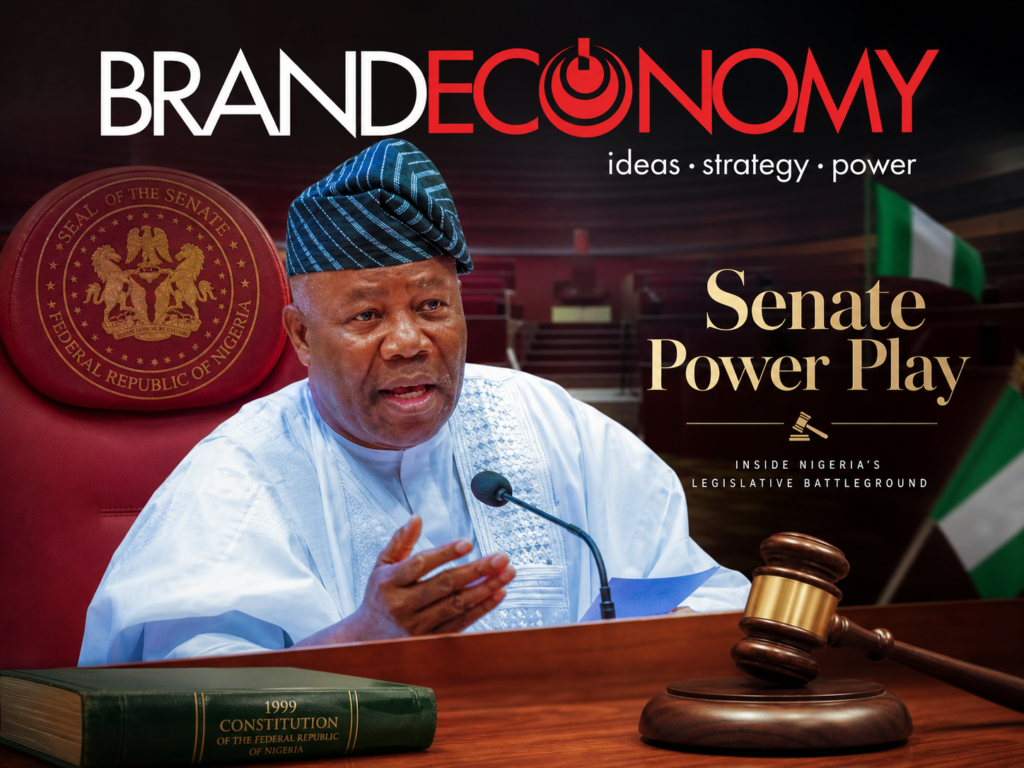 Nigeria’s Senate has amended its standing rules in a move that could reshape the politics of leadership succession in the upper chamber. Under the revised framework, eligibility for presiding and principal offices will now favour ranking senators, particularly those who have served consecutive terms. Supporters say the change protects institutional memory and legislative stability. Critics, including Senator Adams Oshiomhole, warn that it risks shutting out capable lawmakers and narrowing democratic competition ahead of the 11th Senate.
A Rule Change With Political Weight
Nigeria’s Senate has again amended its standing rules, introducing stricter eligibility requirements for lawmakers seeking presiding and principal offices in the next National Assembly.




The amendment, adopted after an extended closed-door session on Tuesday, effectively narrows the field of senators who can aspire to become President of the Senate, Deputy President of the Senate, or occupy other major leadership positions when the 11th Senate is inaugurated.
The motion was presented by the Deputy Leader of the Senate, Senator Lola Ashiru of Kwara State. The changes affect key provisions of the Senate Standing Rules, especially those dealing with the ranking of senators and qualification for leadership positions.
In practical terms, the new rules give stronger advantage to lawmakers currently serving in the 10th Senate who secure re-election into the 11th Senate. Freshly elected senators will face a much narrower path to leadership unless there is no ranking senator available under the new hierarchy.
This is more than a procedural adjustment. It is a political architecture for succession.
Ranking Becomes the Gatekeeper
The amended rule provides that nomination of senators for presiding offices must follow the ranking order of the chamber.
That ranking begins with former Senate Presidents, followed by former Deputy Senate Presidents, former principal officers, senators who have served at least one four-year term, senators who previously served in the House of Representatives, and finally, in the absence of all these categories, first-time senators.
The Senate also inserted a new provision restricting eligibility for principal offices. Under the revised Order 5, a senator will not qualify to contest for any principal office unless he or she has served as a senator for at least two consecutive terms immediately preceding nomination.
This provision affects offices such as Senate Leader, Deputy Senate Leader, Chief Whip, Deputy Chief Whip, Minority Leader, Deputy Minority Leader, Minority Whip and Deputy Minority Whip.
The political meaning is clear. The Senate is moving to formalise experience as the primary qualification for leadership.
Institutional Stability or Political Exclusion?
Supporters of the amendment argue that the Senate, as a serious legislative institution, should be led by lawmakers who understand its procedures, culture, rules, committees and internal power balance.
Their argument is not without merit. Legislative leadership requires more than popularity. It demands familiarity with parliamentary procedure, coalition management, executive-legislative relations, committee supervision, budget processes and political negotiation.
In that sense, ranking can protect institutional memory and reduce instability.
But critics see another possibility: that the amendment may be less about institutional order and more about political control ahead of 2027.
If the rule blocks newly elected or first-term senators from contesting, it could limit competition, reduce democratic choice within the chamber and strengthen incumbents who already control the legislative machinery.
The danger is that experience may become a shield for exclusion.
Oshiomhole’s Objection
The most visible pushback came from Senator Adams Oshiomhole, representing Edo North.
Oshiomhole reportedly objected strongly during plenary, warning that the amendment could prevent capable lawmakers from aspiring to leadership positions. He argued that competence should not be reduced to length of service and that the Senate must avoid rules that close the door against qualified members simply because they are new to the chamber.
His objection had personal and political significance. Oshiomhole, a former labour leader, former governor and former national chairman of the ruling APC, is widely seen as a strong political figure with possible leadership ambitions in the Senate.
Under the amended rules, however, his path to the Senate presidency or other principal positions would be significantly constrained if he does not meet the required consecutive Senate tenure or previous Senate leadership criteria.
The confrontation between Oshiomhole and Senate President Godswill Akpabio gave the amendment a sharper political edge.
Akpabio’s Defence
Senate President Akpabio defended the amendment as a necessary step to preserve stability, order and competence within the upper chamber.
His position reflects a long-standing legislative tradition that ranking members should enjoy priority in leadership contests. In many parliamentary systems, experience matters. The Senate is a complex institution, and its leaders must manage lawmaking, oversight, constituency politics, party expectations and national negotiations.
Yet Akpabio’s defence will not silence suspicion.
Political observers will inevitably read the amendment through the lens of 2027. Akpabio is expected to seek re-election and may also desire continuity as Senate President if the political balance favours him. A rule that advantages ranking senators could strengthen his position and weaken potential challengers.
That is why the amendment will be debated not only as a procedural reform, but as a pre-emptive power move.
The 2027 Senate Presidency Question
The timing of the amendment is crucial.
With the 2027 electoral cycle approaching, politicians are already calculating party tickets, regional balance, Senate composition and leadership possibilities. The Senate presidency is one of the most powerful offices in Nigeria’s constitutional order. It influences legislative agenda-setting, executive oversight, budget politics, confirmation processes and national bargaining.
By tightening eligibility rules now, the Senate is effectively shaping the field before the next election.
If the amended Senate standing rules remain in force, many new senators elected in 2027 will arrive in Abuja with limited leadership prospects, no matter their national stature or political experience outside the chamber. Former governors, former ministers, former party chairmen or nationally prominent politicians may find themselves ranked below returning senators who have served longer in the Senate.
This could strengthen institutional continuity. But it could also create resentment among powerful newcomers.
More Sitting Days, More Legislative Work
In a related development, the Senate also amended its legislative calendar, increasing plenary sittings from three days to five days a week. The chamber will now sit from Monday through Friday, rather than the previous Tuesday-to-Thursday schedule. Committee meetings are expected to hold on Fridays between 3:00 p.m. and 6:00 p.m.
On paper, this should improve legislative productivity. More sitting days could mean faster consideration of bills, more oversight activity and better handling of national issues.
But effectiveness will depend on attendance, seriousness, committee quality and whether longer sittings translate into better lawmaking rather than procedural congestion.
BRANDECONOMY Insight
The Senate’s amendment of its standing rules is a classic case of reform carrying both institutional logic and political suspicion.
On one hand, the argument for ranking is valid. Legislative institutions need experience. The Senate presidency is too important to be treated as a trophy for any newcomer with political weight. Parliamentary leadership requires deep knowledge of procedure, negotiation and institutional culture.
On the other hand, democracy thrives on competition. A rule that overly restricts eligibility can become a tool for entrenching incumbents and excluding rivals. If the Senate appears to be writing rules that protect current power holders ahead of 2027, public confidence in the chamber’s internal democracy may weaken.
The Oshiomhole protest over the Senate standing rules matters because it highlights a broader tension in Nigerian politics: should leadership be earned mainly through institutional experience, or should capacity, national stature and political competence also count?
The Senate must be careful. Ranking should guide leadership selection, not suffocate it. Experience should strengthen the chamber, not become a barricade against renewal.
For Akpabio, the amendment may provide institutional cover for continuity. For Oshiomhole and other ambitious lawmakers, it creates a barrier. For the Nigerian public, the real question is whether the new rules will improve legislative performance or merely protect insiders.
The Senate has also increased its sitting days. That is commendable if it leads to better lawmaking, sharper oversight and more accountability. But Nigerians will judge the chamber not by how often it sits, but by how well it serves.
The deeper lesson is clear: internal legislative rules are never neutral. They shape power, opportunity, ambition and accountability.
As 2027 approaches, the battle for the Senate presidency may have already begun—not on election day, but in the rule book.
Strategic Takeaways
For the Senate:
The new rules strengthen the place of ranking and experience, but must not become a mechanism for political exclusion.
For Akpabio:
The amendment may improve his continuity prospects if he returns to the 11th Senate.
For Oshiomhole:
His objection positions him as a critic of restrictive leadership rules and signals possible frustration with the 2027 Senate power map.
For incoming senators:
First-time lawmakers may face reduced prospects for presiding or principal offices under the amended framework.
For Nigerians:
The real test will be whether the rule change improves legislative stability, productivity and accountability.