ICRC, Tourism Ministry Explore PPPs for Major Tourism and Creative Economy Projects

 Nigeria’s long-awaited tourism renaissance may be entering a more practical, investment-driven phase.
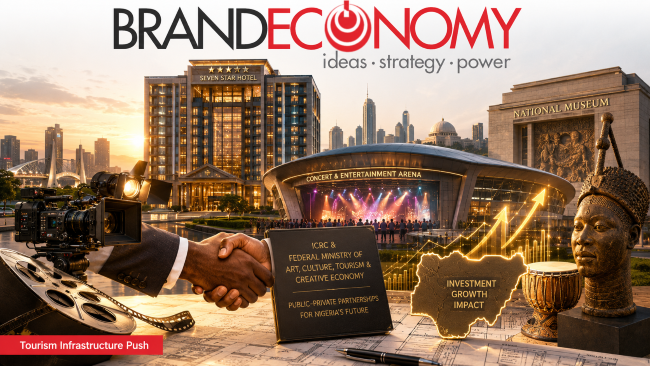
The Infrastructure Concession Regulatory Commission and the Federal Ministry of Art, Culture, Tourism and Creative Economy have opened discussions on using Public-Private Partnerships to deliver major tourism and creative-economy infrastructure across the country. It is an important conversation, because Nigeria’s creative power has never been in doubt. What has often been missing is the world-class infrastructure to convert culture into jobs, visitor spending, foreign exchange, city branding and national prosperity.


The proposed projects under consideration are ambitious and timely. They include high-end hospitality infrastructure, a modern concert and entertainment arena, the revitalisation of national museums for cultural and tourism purposes, and strategic creative-industry partnerships, including possible collaboration in film production, training and talent development.
These are not isolated ideas. Properly structured, they could become building blocks in a new national tourism economy.
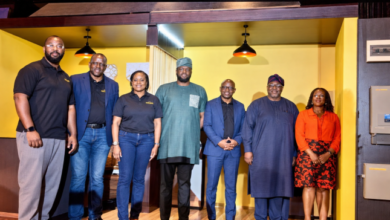
The discussions followed a meeting between the Director-General of the ICRC, Dr Jobson Ewalefoh, and the Minister of Art, Culture, Tourism and Creative Economy, Hannatu Musawa. Both institutions appear to understand the central challenge: Nigeria has enormous cultural assets, but it needs investable platforms to make them commercially powerful.
For decades, Nigeria has exported music, fashion, food, films, festivals and cultural confidence to the world. Afrobeats fills global arenas. Nollywood travels across Africa and the diaspora. Nigerian fashion commands attention. Nigerian cuisine is finding new international audiences. The country has heritage sites, royal traditions, religious tourism possibilities, natural landscapes, historic cities and unmatched youth creativity.
Yet too much of the value is captured elsewhere.
Nigerians travel abroad for concerts that could have been hosted at home. International tourists hear Nigerian music but often lack packaged destination experiences that bring them into the country. Cultural artefacts sit in underfunded museums instead of anchoring visitor traffic. Film production grows, but without enough world-class studios, training hubs and location-support systems. Hotels exist, but not enough integrated destination infrastructure has been built around tourism clusters.
This is the gap the ICRC–tourism ministry conversation seeks to close.
Dr Ewalefoh reportedly assured the ministry of the commission’s readiness to support and fast-track viable tourism infrastructure projects that can transform the sector and boost economic activity. He also noted that the administration’s development agenda is heavily driven by infrastructure, and that tourism infrastructure should not be treated as an exception.
That point is crucial. Tourism is sometimes wrongly seen as leisure. In serious economies, tourism is infrastructure, investment, employment, diplomacy and trade.
A modern tourism economy requires roads, airports, hotels, museums, theatres, arenas, convention centres, beaches, resorts, security systems, digital ticketing, payment platforms, transport links, trained guides, production crews, destination marketers, event managers, food vendors, artisans and investors. It is a full value chain.
When it works, almost everyone earns: airlines, hotels, restaurants, taxi operators, designers, photographers, musicians, filmmakers, tour guides, caterers, event planners, security firms, ticketing platforms, souvenir sellers, construction companies and local communities.
This is why the PPP model tourism makes sense
Government alone cannot fund the scale of tourism infrastructure Nigeria needs. Public finances are stretched, and the needs across health, education, roads, security and energy are enormous. But private capital can come in where projects are bankable, risks are clear, approvals are predictable, and governance is credible.
That is the role the ICRC is expected to play. It must help turn good ideas into structured opportunities that investors can understand, finance and execute. It must ensure that projects move from concept to feasibility, procurement, concession design, financial close, construction, operation and long-term maintenance.
The promise is exciting. But discipline will be essential.
A high-end hotel, for instance, can strengthen Nigeria’s ability to host global conferences, diplomatic events, cultural festivals, entertainment weekends and premium tourism packages. But such a hotel must not become a trophy project standing alone. It must be part of a wider destination plan involving transport, safety, hospitality training, events programming and strong management.
The same applies to the proposed modern concert and entertainment arena. Nigeria urgently needs such infrastructure. Its artists are global, but its domestic event infrastructure has not kept pace with their influence. A properly designed arena in Abuja, Lagos or another strategic city could host concerts, award shows, sporting events, exhibitions, film premieres, fashion weeks, cultural festivals, corporate gatherings and international showcases.
That would help retain entertainment spending that currently travels abroad.
When Nigerian fans fly to London, Dubai, Accra, Kigali or Johannesburg for experiences that could have taken place in Nigeria, the country loses hotel bookings, restaurant spending, airport traffic, vendor opportunities and brand visibility. A modern arena is therefore not only a cultural asset. It is an economic machine.
The proposed revitalisation of national museums is equally important.
Nigeria’s museums should not be dusty storage rooms for the past. They should be living centres of memory, identity, education and tourism. A modern museum can tell powerful stories with light, sound, technology, guided experiences, digital archives, immersive exhibitions, retail spaces, cafés, children’s programmes, travelling shows and international partnerships.
Nigeria has enough history to build globally compelling museum experiences: Nok civilisation, Benin heritage, Yoruba art, Igbo-Ukwu bronze works, northern emirate history, independence politics, civil-war memory, slavery routes, maritime trade, music history, fashion, football, film and contemporary art.
The country’s heritage is rich. The packaging tourism has been weak.
This is why the ministry’s ambition is important. Hannatu Musawa has argued that Nigeria possesses the demographic strength and cultural capital needed to become a global tourism and entertainment hub, but that infrastructure gaps have limited the sector’s growth. Her point is difficult to dispute. Nigeria is known for music, fashion and food, but it still lacks enough high-quality platforms to host the world at scale.
Her projection that the sector could contribute significantly to national output by 2030 may sound bold, but the underlying logic is clear: the creative and tourism economy is one of Nigeria’s most underdeveloped growth frontiers.
The population is young. The culture is exportable. The diaspora is large. The cities are energetic. The global appetite for African content is rising. The Afrobeats-Nollywood-fashion-food ecosystem already gives Nigeria a soft-power advantage. What remains is the infrastructure to convert that advantage into measurable economic value.
The possible collaboration with global entertainment platforms in film production, training and creative industry development also points in the right direction. Nigeria’s film industry is already large, but it needs deeper technical capacity, better production facilities, stronger intellectual-property protection, financing structures, distribution access and skills development.
Film can also drive tourism. When countries manage their screen industries well, movies and series become destination advertisements. People travel to locations they have seen on screen. They buy fashion inspired by characters. They visit restaurants, landmarks and neighbourhoods associated with popular productions. Nigeria can do the same with the right strategy.
But optimism must be matched with execution.
The biggest danger is that these projects become another set of attractive announcements without bankable follow-through. Nigeria has no shortage of grand visions. What it needs is disciplined delivery.
Each proposed project should be subjected to serious feasibility studies. Demand must be tested. Locations must be chosen carefully. Revenue models must be realistic. Concession agreements must protect public interest while giving investors fair returns. Procurement must be transparent. Maintenance must be built into the business model. Community participation must be considered. Security and transport connectivity must not be afterthoughts.
Tourism infrastructure succeeds when the ecosystem works together.
A hotel without events will underperform. An arena without safe transport and strong programming will struggle. A museum without curation, marketing and visitor services will remain quiet. A film partnership without training, financing and distribution strategy will have limited impact.
The opportunity before Nigeria is to build clusters, not monuments.
Imagine an Abuja cultural and entertainment district anchored by a modern arena, hotels, restaurants, museums, galleries, creative hubs, conference spaces and night-time economy infrastructure. Imagine Lagos with better-integrated music tourism, film production facilities, waterfront attractions and event venues. Imagine Calabar, Kano, Benin, Enugu, Abeokuta and Port Harcourt developed around their distinct cultural identities. Imagine museums connected to schools, festivals, digital tours and international exhibitions.
This is how tourism becomes development.
It creates jobs for young people. It supports women-owned businesses. It gives artisans markets. It turns cities into destinations. It attracts investors. It strengthens national identity. It diversifies foreign-exchange earnings. It gives Nigeria another growth story beyond oil.
The ICRC and the tourism ministry are therefore discussing more than projects. They are discussing a new economic platform.
The task now is to move quickly, but wisely. The PPP process must be fast enough to attract investors and disciplined enough to protect the public. The ministry must provide vision, content and sector leadership. The ICRC must provide structure, investor confidence and regulatory clarity. State governments must be brought into the conversation because tourism assets are ultimately local. Private investors must see seriousness. Creative entrepreneurs must see opportunity. Nigerians must see delivery.
Nigeria already has the culture. It already has the talent. It already has the stories. It already has the global attention.
What it needs now are the stages, hotels, museums, studios, arenas, districts and visitor experiences that allow the world to come closer.
If the ICRC–tourism ministry collaboration is executed with competence, it could mark the beginning of a more deliberate tourism economy: one where Nigeria stops merely exporting culture and starts hosting the world around it.
That would be more than infrastructure.
It would be a national repositioning.