
Oyingbo Refuse Crisis Threatens Public Health, Trade and Lagos’ Urban Brand

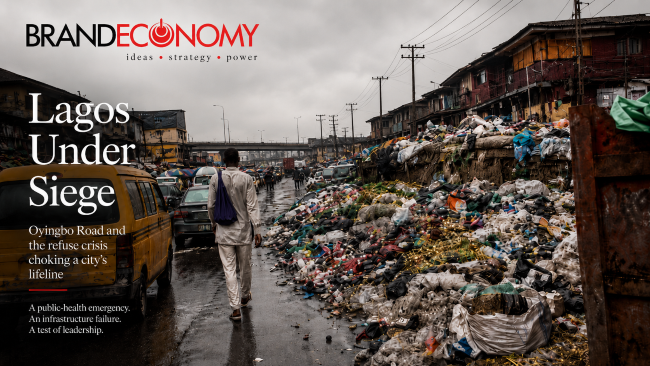 Residents and traders around Oyingbo Market in Yaba Local Council Development Area have raised fresh alarm over a massive refuse heap that has taken over part of the road, obstructing traffic, depressing commercial activity and creating serious environmental and public-health concerns.
The affected residents told the News Agency of Nigeria on Saturday that the waste had continued to accumulate despite repeated assurances from the Lagos State Waste Management Authority, the local council and the Ministry of the Environment and Water Resources that it would be evacuated.

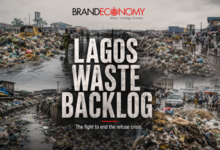

A visit to the area showed that the decomposing refuse occupied a substantial section of the road, leaving only a narrow passage for vehicles and pedestrians.
The waste, consisting of rotten food, plastics, nylon, cartons and other household materials, emitted a strong odour. Flies and rodents were also observed around the site, increasing fears that the situation could expose traders, commuters and nearby residents to preventable health risks.
Traders count losses as customers stay away
Mrs Kemi Adebayo, a food vendor, described conditions around the market as unbearable.
She said the smell and presence of flies had discouraged customers from patronising food sellers operating close to the refuse heap, leading to falling sales and financial losses.
“The smell is terrible. Flies settle on our food despite our efforts to keep the place clean. Customers now avoid this area because of the stench,” Adebayo said.
She added that the refuse had become a daily source of hardship for traders, commuters and motorists using the busy commercial corridor.
Mr Ahmed Salami, a fruit and vegetable trader, expressed similar frustration, arguing that traders should not be forced to operate beside a growing mountain of waste after paying government levies and taxes.
“We pay levies and taxes, yet we have to trade beside a mountain of refuse. Many customers no longer stop here because they cannot endure the smell,” Salami said.
For traders whose businesses depend on daily turnover, even a temporary decline in footfall can be damaging. Fresh-produce and prepared-food sellers are particularly vulnerable because unsold goods deteriorate quickly, turning an environmental failure into an immediate financial loss.
Waste heap worsens congestion
Commercial bus driver Mr Kunle Ajayi said the refuse had narrowed the road and intensified traffic congestion, especially during peak periods.
“The road has become too narrow because of the waste. Vehicles now spend longer hours in traffic, especially during peak periods,” Ajayi said.
The blockage has wider economic implications. Oyingbo is a major transport and trading axis serving commuters, wholesale buyers, retailers and suppliers moving between different parts of Lagos.
When traffic slows, transport costs rise, delivery schedules are disrupted and businesses lose productive time. The economic burden is eventually passed to consumers through higher prices and reduced service efficiency.
Residents fear disease outbreak
Residents living close to the market said the increasing presence of flies, mosquitoes and rodents had heightened fears of disease.
Mrs Funke Bello said children and elderly residents were especially vulnerable.
“We are concerned about diseases such as cholera, typhoid, diarrhoea and malaria. Children and elderly people are the most vulnerable,” Bello said.
Another resident, Mr Sunday Eze, urged the authorities to clear the waste immediately before the situation deteriorated further.
Environmental health expert Mrs Tosin Ajasa warned that accumulated refuse could contaminate the surrounding environment, block drainage channels and increase the risk of flooding during heavy rainfall.
She said decomposing waste could also provide breeding grounds for insects and rodents capable of spreading disease.
Prolonged exposure to foul odours and emissions from rotting waste may cause respiratory irritation and discomfort, particularly for people who work or live close to the site.
The combination of waste, blocked drainage and rainfall presents an especially serious urban-management challenge. Floodwater passing through refuse can spread contaminants into homes, shops and food-selling areas, further increasing health and sanitation risks.
A test of Lagos’ waste-management system
The crisis raises questions about the reliability of waste collection, enforcement and coordination among LAWMA, the Yaba LCDA and the state environment ministry.
Lagos generates enormous quantities of waste daily because of its population, density and scale of commercial activity. Managing that volume requires predictable collection schedules, properly located disposal points, functional transfer infrastructure and strict enforcement against indiscriminate dumping.
Emergency evacuation may provide immediate relief at Oyingbo, but it will not prevent recurrence unless the underlying weaknesses are addressed.
Authorities must determine whether the accumulation was caused by delayed collection, inadequate waste containers, contractor failure, illegal dumping or weak enforcement.
Residents and traders also have responsibilities. Waste-management reform will remain incomplete where individuals and businesses continue to dump refuse on roads, in drainage channels and at unauthorised locations.
Market and investor implications
Markets are vital economic infrastructure. Their condition affects food distribution, employment, consumer confidence and municipal revenue.
A dirty, congested and unhealthy commercial environment discourages shoppers, weakens property values and raises operating costs for traders.
For investors in retail, logistics, food processing, transport and property development, urban sanitation is not a minor public-service issue. It is an indicator of municipal competence and the wider ease of doing business.
Efficient waste management could also create investment opportunities in recycling, composting, collection technology, waste-to-energy and private-sector environmental services.
Brand implications
Lagos promotes itself as Africa’s leading commercial and innovation hub. Persistent refuse crises in prominent markets weaken that positioning.
The condition of public spaces influences how residents, tourists and investors perceive a city. A megacity brand cannot be sustained by major infrastructure projects alone while markets and neighbourhood roads remain overwhelmed by waste.
For LAWMA and the relevant local authorities, swift action is necessary not only to clear the road but to restore public confidence in their capacity to deliver basic services.
BRANDECONOMY Insight
The refuse crisis at Oyingbo is more than an environmental nuisance. It is a public-health threat, a commercial disruption and a test of Lagos’ urban governance.
Traders cannot build sustainable businesses beside decomposing waste. Consumers should not have to choose between accessing affordable goods and protecting their health. Motorists should not lose productive hours because a road has become an informal dumpsite.
The immediate priority is evacuation. The longer-term imperative is a dependable waste-management system backed by enforcement, public education and accountable service delivery.
A city’s economic strength is often measured by its skyscrapers, ports and financial institutions. But its true functionality is revealed in how well it manages roads, drainage, markets and refuse.