

 The Renewed Hope Cultural Project offers Rivers State a route into tourism, hospitality and creative enterprise. But destination infrastructure, private capital and disciplined execution will determine whether the partnership produces a viable economy or another portfolio of promises.
 The Renewed Hope Cultural Project offers Rivers State a route into tourism, hospitality and creative enterprise. But destination infrastructure,
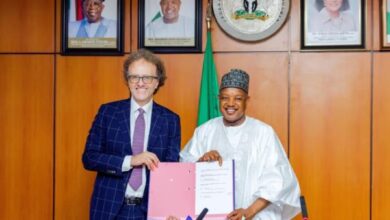
 The Federal Government and Rivers State Government have signed a Memorandum of Understanding to advance the Renewed Hope Cultural Project, opening a new chapter in efforts to develop tourism, strengthen the creative economy and create jobs.
Governor Siminalayi Fubara disclosed the agreement in a statement issued in Port Harcourt by his Chief Press Secretary, Mr Onwuka Nzeshi.




Mrs Hannatu Musawa, Minister of Art, Culture, Tourism and Creative Economy, signed for the Federal Government, while Tomonialadeokuma Ishmael, Permanent Secretary in the Rivers State Ministry of Culture and Tourism, represented the state.
The agreement aligns with the Fubara administration’s plan to diversify Rivers beyond its traditional dependence on oil and public-sector infrastructure spending. The new emphasis is on converting the state’s coastline, cultural heritage and hospitality assets into productive economic platforms.
From Infrastructure to Experience
Fubara said Rivers had committed significant resources to tourism development during the past three years, with the objective of creating jobs and expanding economic opportunities.
Work is progressing on a new Rivers Tourist Beach being developed in partnership with Landmark, with the first phase expected to open to the public in December.
The governor also pledged accelerated delivery of the proposed Oyorokoto Beach Resort, describing it as an important asset capable of positioning Rivers as a major Nigerian destination.
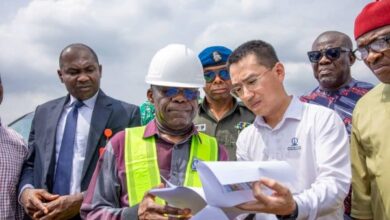
The 13.52-kilometre Ngo–Atlantic–Oyorokoto Road in Andoni was conceived as more than a transport project. Its strategic purpose is to open coastal communities, beachfronts and fishing settlements to tourism, hospitality and wider blue-economy investment.
Fubara argued that infrastructure development should extend beyond roads and bridges to include recreational facilities and commercial assets that stimulate economic activity.
That is an important shift. A road creates access, but tourism converts access into spending. Hotels, restaurants, festivals, transport services, entertainment venues, tour businesses and retail markets determine whether visitors remain long enough to create meaningful local value.
A Federal-State Cultural Platform
Musawa described the Renewed Hope Cultural Project as a strategic initiative of President Bola Tinubu’s administration to strengthen collaboration with states in developing Nigeria’s culture, arts, tourism and creative sectors.
According to her, the programme is intended to support economic diversification, attract investment and create employment across the federation.
She commended Rivers for its investment in tourism and creative infrastructure, arguing that the state’s accessibility, existing facilities and cultural assets position it to become an important regional hub.
The Federal Government, she said, would work with the state to maximise these advantages while contributing to the wider objective of establishing Nigeria as Africa’s leading cultural and creative centre.
Fubara promised to translate the MoU into visible projects within four months. That commitment now provides a measurable test of the agreement’s seriousness.
Market and Employment Potential
Tourism is not a single industry. It is a network of interconnected businesses spanning aviation, road transport, accommodation, food, entertainment, fashion, photography, film, music, events and digital marketing.
A functioning coastal destination could therefore support employment well beyond hotel construction. Local fishermen, caterers, boat operators, artisans, performers, security providers and small retailers could all participate in the visitor economy.
The greatest development dividend will come when communities become commercial stakeholders rather than spectators. Training, local procurement, environmental protection and small-business finance should form part of every project.
Rivers must also protect its mangroves, wetlands and coastal ecosystems. Poorly managed tourism can damage the natural assets on which the industry depends.
Investor Relevance
For private investors, Rivers offers a sizeable urban market, international air access, an established corporate economy and an extensive coastline.
Potential opportunities include hotels, resorts, restaurants, marine transport, event centres, beachfront retail, entertainment, heritage tourism and technology platforms for reservations and destination discovery.
But capital will follow bankable projects, not broad aspiration. Investors will require secure land titles, transparent concessions, reliable power, safe transport corridors, environmental approvals and predictable regulation.
The Landmark partnership may provide an important test of the state’s ability to structure commercially credible public-private tourism projects.
The Rivers Brand Opportunity
Rivers already possesses strong associations with energy, commerce, waterways, cuisine, music and cultural diversity. Its brand challenge is to convert these assets into a coherent destination identity.
Successful tourism locations sell a recognisable promise. Rivers must decide whether its proposition will centre on coastal leisure, festivals, food, heritage, entertainment, the blue economy—or an integrated combination delivered with consistency.
Marketing cannot precede product readiness. Visitors who encounter poor access, weak service or inadequate security will share those experiences publicly, weakening the destination brand.
BRANDECONOMY Insight
The Federal-Rivers tourism partnership represents a welcome attempt to convert culture and geography into economic value. But signing an MoU is the easiest stage of destination development.
The real work lies in completing access infrastructure, attracting competent operators, protecting coastal ecosystems and building experiences worth travelling for.
Rivers can become a major tourism and creative-economy hub. Its competitive advantage is real: coastline, culture, corporate traffic and a youthful creative population.
The four-month implementation pledge should therefore be judged by visible milestones, investable projects and benefits reaching local businesses. Rivers does not merely need tourist sites; it needs a functioning destination economy.