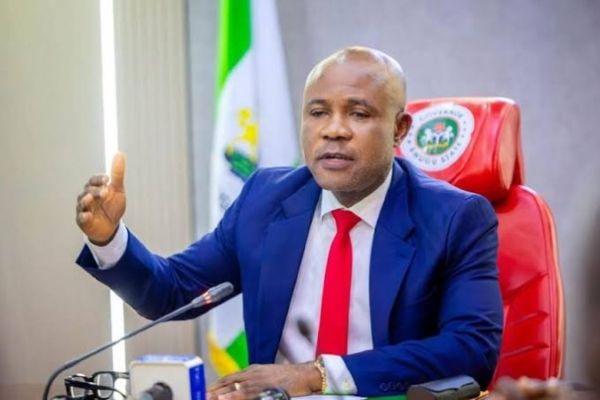
Enugu State Governor Peter Mbah has abolished the ₦750 daily ticketing fee imposed on commercial tricycle operators (₦750 Keke Ticket) and extended their permitted operating time from 9 p.m. to 10 p.m., opening a new front in the state’s attempt to ease the cost pressures confronting informal transport workers.
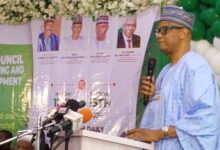
The governor announced the measures on Saturday at Okpara Square, Enugu, during a “One Million March Rally” organised by the Enugu State chapter of the Tricycle Riders Association of Nigeria and other transport unions.

Mbah also said tricycle operators would continue to use the state’s modern transport terminals without charge.
The measures amount to targeted relief for thousands of operators whose margins have been squeezed by higher fuel prices, spare-parts costs, maintenance expenses and weaker household purchasing power. They could also provide modest indirect relief to commuters if operators retain current fares instead of passing rising operating costs to passengers.
For a rider working 26 days monthly, removal of the ₦750 charge could release approximately ₦19,500 in monthly income, or ₦234,000 over a year. That is potentially meaningful for operators financing vehicle repairs, food, rent, school fees and loan repayments from daily earnings.
However, the announcement did not specify when the waiver takes effect, how much revenue the state will forgo or whether “no more tickets” covers every government, terminal and union-related levy. Those details will determine whether the policy becomes measurable economic relief or merely a high-profile declaration.
One more hour for Enugu’s night economy
The extension of tricycle operations from 9 p.m. to 10 p.m. is not a complete removal of the restriction, as some descriptions of the announcement may suggest. It is a one-hour relaxation of the operating limit inherited by the Mbah administration in 2023.
If the existing 6 a.m. commencement time remains unchanged, the decision expands the legally permitted operating window from 15 to 16 hours—an increase of about 6.7 per cent.
That additional hour could be commercially valuable. It captures late-closing workers, evening shoppers, students, hospitality customers and commuters connecting from intercity journeys. It could also strengthen activity around restaurants, markets, transport terminals and entertainment districts.
Yet a longer operating window does not automatically translate into higher net earnings. Passenger demand, night-time security, road lighting, police conduct and the availability of safe loading points will influence whether operators can use the extra hour profitably.
Mbah attributed the adjustment to improved security and the weakening of the sit-at-home disruptions that had damaged economic activity across parts of the South-East. He described tricycle operators as an engine of the state economy because they connect workers, students, traders and communities every day.
Roads, repairs and the hidden cost of mobility
The governor also pledged to construct or rehabilitate the remaining 1,022 urban roads in Enugu State. He identified Emene, Abakpa, Idaw River, Trans-Ekulu, Awkunanaw, Coal Camp, New Haven, Thinkers Corner and Uwani among locations benefiting from ongoing road interventions.
For tricycle operators, road quality is an income issue. Potholes, poor drainage and broken surfaces accelerate tyre wear, damage suspension systems, increase fuel consumption and keep vehicles in workshops instead of on the road.
A levy waiver may offer immediate relief, but durable roads could generate larger productivity gains over time. The real transport reform will therefore be measured by the combined effect of lower charges, better infrastructure, safer operating conditions and more predictable regulation.
Investors should also pay attention. An efficient informal transport network expands labour-market access and supports retail, education, hospitality and real estate. When workers can move affordably and reliably, businesses gain access to a wider employment pool and commercial districts remain active for longer.
Welfare policy meets election politics
The policy announcement was made at a rally where the association’s state chairman, Comrade Kingsley Edeh, endorsed Mbah and President Bola Tinubu for second terms in 2027.
Edeh cited road construction, improved security, 267 Smart Green Schools and the revival of projects including the International Conference Centre, Nigergas Limited, Sunrise Flour Mills and Hotel Presidential.
The association’s National Secretary, Comrade Sunday Enang, also praised the establishment of Enugu Air, new transport terminals, investment in an asphalt plant and expansion of the state’s road network.
Mbah subsequently urged operators to obtain their Permanent Voter Cards and support Tinubu and other All Progressives Congress candidates in 2027.
That political setting makes implementation transparency particularly important. A livelihood intervention announced during an endorsement rally can easily be perceived as an electoral favour unless it is converted into a clear, durable and universally enforced policy.
An association’s endorsement should also not be treated as evidence that every individual operator shares the same political preference. Public policy must apply equally to supporters, opponents and politically unaffiliated citizens.
Market and brand implications
For the Mbah administration, the announcement abolishing the ₦750 Keke Ticket strengthens a positioning built around infrastructure, security and business-friendly government. Its credibility, however, will depend on what happens on Enugu’s streets.
Operators must not continue paying the abolished fee through renamed tickets, unofficial collections or coercive union charges. Government should publish the effective date, affected levies, enforcement authority and complaints channel.
The state must also explain how any revenue previously assigned to transport administration, terminals or local councils will be replaced. Otherwise, the relief could create funding gaps or encourage informal collection.
Transport brands, digital lenders, insurers and mobility-technology companies may find new commercial opportunities among operators retaining more disposable income. Products such as affordable vehicle insurance, maintenance finance, cashless payments and asset-replacement plans could convert the waiver into longer-term economic resilience.
BRANDECONOMY Insight
The most powerful feature of this intervention is not the ₦750 headline. It is the recognition that informal transport workers are part of Enugu’s productive infrastructure.
Removing the daily ticket could return ₦234,000 annually to a regular operator, while the extra hour may widen earning opportunities and support the night economy. But neither benefit is guaranteed until the policy is documented, enforced and protected from unofficial collections.
Mbah’s transport-relief package can strengthen trust in the Enugu brand if government demonstrates that it is more than rally-stage politics. The administration should publish a simple implementation notice, establish a reporting channel for unlawful ticketing and disclose progress on the promised 1,022 roads.
Good policy announces relief. Credible government ensures the relief reaches its intended beneficiary.