

What the End of the Iran War Means for Consumers as Hormuz Reopens

 The guns may be going quiet and the Strait of Hormuz may be reopening, but the economic shock has already travelled from the Gulf to the global marketplace. For consumers, the end of the war may bring relief — but not an instant return to cheap fuel, cheap food or stable household budgets.
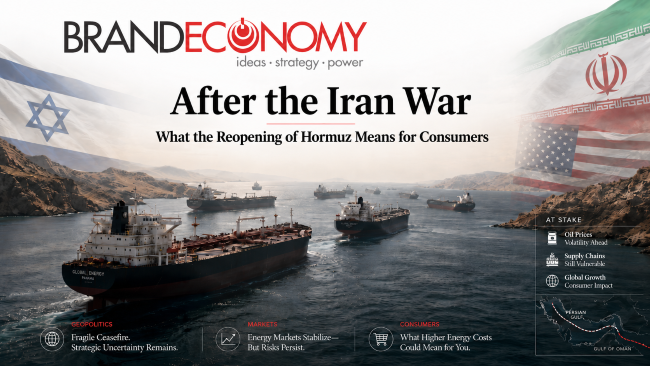 The guns may be going quiet and the Strait of Hormuz may be reopening, but the economic shock has already travelled from the Gulf to the
 The tentative end of the 2026 U.S.–Israel–Iran war is good news for the world economy. But for consumers, the real question is not whether diplomats can sign an agreement. The real question is how quickly the price of petrol, food, transport, electricity, fertiliser, air tickets and everyday goods will respond.
The answer is uncomfortable: relief may come, but slowly.




For more than three months, the conflict turned the Strait of Hormuz from a shipping route into a global inflation machine. The narrow waterway, linking the Persian Gulf to international markets, is one of the world’s most important energy corridors. When traffic through it was disrupted, oil, gas, fertiliser and shipping costs reacted almost immediately.
Now that Washington and Tehran have reached an interim understanding to extend a ceasefire and reopen the strait, global markets are beginning to price in a softer landing. Oil prices have eased. Traders are unwinding panic positions. Importers are breathing more easily. Central banks can see a possible reduction in imported inflation.
But consumers should not expect miracles at the pump or the market stall.
Shipping confidence takes time to rebuild. Insurance premiums do not collapse overnight. Damaged infrastructure must be restored. Inventories must be rebuilt. Tanker schedules must be normalised. Food systems affected by fertiliser shortages must pass through planting and harvesting cycles before relief becomes visible.
That is why the end of the war is not the end of the cost-of-living story.
It is the beginning of the repair.
Why Hormuz Matters to Your Pocket
The Strait of Hormuz may look distant from the Nigerian consumer, but its impact is intimate.
It affects the price of imported fuel. It affects diesel used by trucks. It affects fertiliser used by farmers. It affects shipping costs paid by importers. It affects petrochemicals used in plastics and packaging. It affects airfares through jet fuel. It affects food inflation through logistics and farm input costs.
In plain language, when Hormuz shakes, household budgets tremble.
The war exposed how deeply the modern consumer economy depends on a few strategic corridors. A disruption in the Gulf quickly became a global price signal. Oil moved. Gas moved. Fertiliser moved. Freight moved. Insurance moved. Then the consumer paid.
For Nigeria, the effect is layered.
Nigeria is an oil producer, but it is also heavily exposed to imported fuel, global refined-product prices, foreign exchange pressures and transport-cost inflation. That means higher global energy prices can still hurt consumers even when the country earns more from crude.
The ordinary Nigerian does not buy Brent crude. The ordinary Nigerian buys petrol, diesel-influenced transport, cooking gas, food, school supplies and household essentials.
Those are the places where geopolitics becomes personal.
Fuel: Relief Is Coming, But Not Immediately
The first area consumers will watch is fuel.
As the ceasefire news spread, oil prices softened because markets began to assume that Gulf exports would gradually return. But the path from diplomatic announcement to cheaper petrol is not straight.
Fuel prices depend on crude prices, refining margins, exchange rates, shipping costs, depot prices, taxes, levies, distribution costs and retail margins. Even if crude falls today, consumers may not see a matching drop immediately.
In Nigeria’s deregulated downstream market, price movements are especially sensitive to the naira, import parity, local refining output, depot competition and logistics. If global crude moderates but the naira weakens, the consumer benefit may be diluted. If shipping insurance remains high, landing costs may stay elevated. If supply normalisation is slow, prices may remain sticky.
The practical message for consumers is this: petrol and diesel prices may ease, but not as fast as headlines suggest.
Transport fares may also remain high for longer because operators often adjust prices upward quickly and downward slowly. Commuters, logistics firms, food traders and small businesses should expect a gradual rather than dramatic reduction in fuel-linked costs.
Food: The Fertiliser Shock Will Linger
The second pain point is food.
Energy and food are joined at the hip. Farmers need fertiliser, diesel, transport, irrigation, storage and processing. When war disrupts gas and fertiliser supply, the effect eventually reaches the price of rice, maize, bread, vegetables, poultry, meat and processed foods.
The Gulf is a major source of fertiliser-related exports. The disruption raised costs for farmers and importers across Africa and Asia. Even where fertiliser is available, price spikes can force farmers to apply less than they should. Lower fertiliser use can reduce yields. Lower yields mean tighter supply. Tighter supply means higher food prices.
This is why food prices may not fall quickly even if energy prices soften.
Food inflation has a production calendar. If farmers planted under high-cost conditions, the harvest will reflect that cost. If fertiliser was scarce at the wrong time, output may suffer. If logistics remain expensive, retail prices stay high.
For Nigerian households, this means continued pressure on staples and protein. Consumers may keep adjusting menus, buying smaller quantities, switching brands, cutting waste and shopping more carefully.
The end of the war may reduce future pressure, but it cannot erase costs already embedded in the food chain.
Transport, Aviation and Logistics: The Hidden Tax Remains
The war also imposed a hidden tax on movement.
Shipping routes became riskier. Insurance became costlier. Freight planning became more complicated. Airspace and maritime risk affected aviation and shipping schedules. Airlines faced higher jet-fuel costs. Logistics firms faced delays and surcharges.
For consumers, these costs appear indirectly.
They show up in higher prices for imported goods, electronics, spare parts, medicines, clothing, building materials and household items. They show up in airfares. They show up in the cost of moving food from farms to cities. They show up in the final bill paid by consumers who never see the global shipping invoice.
Even with Hormuz reopening, many shipping companies will wait for certainty before returning fully to previous patterns. Risk managers, insurers and vessel operators do not behave like political spokesmen. They respond to actual safety, enforceable guarantees and operational predictability.
So, the consumer should expect a slow unwinding of logistics costs.
Consumer Goods: Packaging, Plastics and Imported Inputs Stay Exposed
Higher oil and gas prices also affect manufactured goods.
Petrochemicals feed into plastics, packaging, synthetic fibres, household products, cosmetics, cleaning materials and many industrial inputs. When energy prices rise, manufacturers face higher costs. When manufacturers face higher costs, consumers eventually pay more.
This is especially important for fast-moving consumer goods. A bottle, wrapper, sachet, carton, container or plastic seal may look small, but packaging is a serious cost line. When packaging costs rise, brands must choose between three painful options: absorb the cost, increase prices or reduce pack sizes.
That is why consumers may see more shrinkflation — smaller product sizes at the same or higher prices.
For brands, this is a trust issue. Consumers understand difficult times, but they punish brands that appear deceptive. Transparent pricing, clear pack information and value communication will matter more.
What This Means for Nigerian Consumers
The average consumer should expect five things.
First, energy costs may reduce gradually if the ceasefire holds and Hormuz traffic normalises, but prices may remain above pre-war levels for some time.
Second, food prices will remain sensitive because fertiliser and transport shocks take longer to unwind.
Third, imported goods may stay expensive due to shipping, foreign exchange and inventory replacement costs.
Fourth, household budgeting will remain essential. Consumers will continue to compare prices, reduce waste, buy in smaller packs and prioritise essentials.
Fifth, energy efficiency will become a serious consumer strategy. Households and SMEs will look harder at solar systems, efficient appliances, cooking alternatives, shared transport and better inventory planning.
The consumer has become the final shock absorber of global instability. Every war, shipping disruption or oil-price swing now travels faster into the household economy.
Market Implications
For markets, the ceasefire is a relief rally, not a full recovery.
Oil traders will price in lower risk, but they will also remain alert to renewed conflict, delays in shipping restoration and political disagreements among parties to the deal.
For import-dependent economies, easing oil prices could reduce inflation pressure and support currencies. For oil exporters, lower prices may reduce fiscal windfalls but improve global demand stability.
For Nigeria, the net effect is complex. Lower oil prices can reduce fuel-import pressure and consumer costs, but they can also reduce crude revenue if prices fall too far. The ideal outcome is not very high oil; it is stable oil, higher domestic refining, stronger exports and lower imported inflation.
Businesses should expect volatility to continue. The companies best positioned are those with diversified suppliers, flexible logistics, local sourcing, energy efficiency and strong working-capital discipline.
Brand Implications
This crisis has created a new brand reality: resilience is now part of brand value.
Consumers will remember which brands protected supply, avoided reckless profiteering, communicated honestly and helped households manage costs.
Brands that rely heavily on imported inputs must explain price changes carefully. Brands with local sourcing can turn resilience into a competitive advantage. Energy brands must show reliability. Food brands must protect affordability. Retailers must strengthen trust through fair pricing and availability.
The post-war consumer is not only price-sensitive. The consumer is also trust-sensitive.
A brand that appears exploitative during crisis loses emotional equity. A brand that shows empathy gains loyalty.
Investor Relevance
Investors should read the end of the war as a reduction in geopolitical risk, not a disappearance of risk.
Energy markets will remain volatile. Shipping and insurance costs may remain elevated. Central banks may remain cautious because inflation pressures are still present. Currency markets in import-dependent economies may continue to react to oil and dollar demand.
The sectors to watch include energy, logistics, fertiliser, food production, local manufacturing, renewables, electric mobility, storage, agriculture technology and supply-chain infrastructure.
The bigger investment lesson is clear: resilience is investable.
Companies that reduce exposure to single chokepoints, unstable imports and fossil-fuel volatility will command stronger long-term confidence.
BRANDECONOMY Insight
The War Is Ending, But the Consumer Economy Has Changed
The end of the Iran war and the reopening of Hormuz will bring relief to global markets. But it will not immediately restore the old consumer economy.
The crisis has exposed three hard truths.
First, globalisation is efficient but fragile. A narrow waterway thousands of kilometres away can raise the price of food and fuel in Lagos, London, Mumbai and Nairobi.
Second, energy security is consumer security. When fuel and gas supply are disrupted, every household pays — through transport, food, electricity, cooking and manufactured goods.
Third, brands and nations that build resilience will win the next decade. Local production, diversified supply chains, renewable energy, efficient logistics and transparent pricing are no longer optional. They are survival tools.
For Nigeria, the lesson is sharper. The country must reduce dependence on imported refined products, strengthen domestic gas supply, build agricultural resilience, expand storage, improve ports and logistics, and support local manufacturing.
The best protection for consumers is not temporary relief. It is structural resilience.
Diplomats may reopen Hormuz. But only smart policy, disciplined markets and resilient brands can reopen affordability.