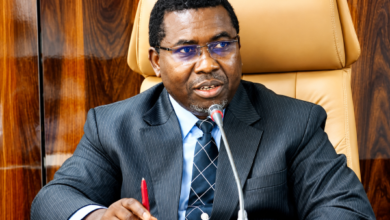


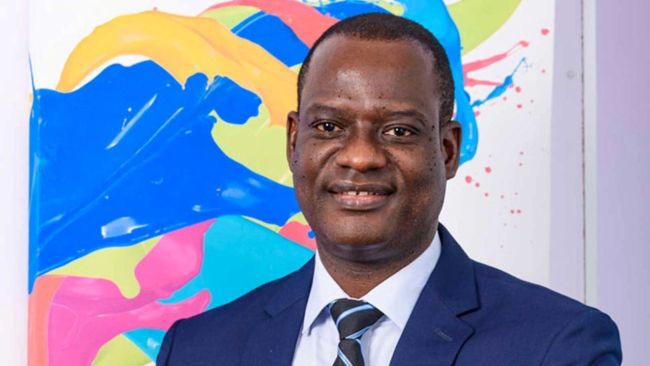
Nigeria’s Minister of Finance and Coordinating Minister of the Economy, Taiwo Oyedele, is leading the country’s delegation to the 2026 Annual Meetings of the International Monetary Fund and World Bank Group in Bangkok, Thailand.
The meetings, scheduled for October 12–18, will bring together finance ministers, central-bank governors, development institutions, investors, business leaders and civil-society organisations from more than 190 countries. Official sessions will include the IMF’s International Monetary and Financial Committee, the World Bank–IMF Development Committee and the Annual Meetings plenary. World Bank Group
Nigeria’s delegation includes chief executives of financial institutions, private-sector representatives, civil-society organisations, non-governmental organisations and other economic stakeholders.
Discussions are expected to focus on the global growth outlook, financial stability, sovereign debt, poverty reduction, climate-related economic risks, artificial intelligence, job creation and the mobilisation of private capital for development.
The IMF is also expected to present updated editions of its World Economic Outlook and Global Financial Stability Report. The publications will provide new assessments of economic growth, inflation, debt vulnerabilities, financial-market risks and the policy challenges confronting advanced, emerging and developing economies.
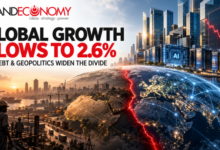
The meetings are taking place against a difficult international backdrop marked by geopolitical tensions, elevated debt, energy-price volatility and growing concern about the uneven distribution of technological progress. Growth, debt and geopolitical risk are expected to dominate the policy conversation in Bangkok. reuters.com
What Nigeria should pursue
Nigeria’s participation should extend beyond general policy discussions. The delegation has an opportunity to strengthen the country’s economic-reform narrative, deepen engagement with development-finance institutions and attract capital into infrastructure, energy, agriculture, technology and export-oriented industries.
Taiwo Oyedele will also need to present a credible account of Nigeria’s fiscal direction, debt-management priorities, tax reforms and efforts to improve the investment climate.
For investors, the central questions will be whether Nigeria can sustain policy consistency, control inflation, improve foreign-exchange liquidity and translate macroeconomic reforms into stronger productivity, employment and household welfare.
The IMF’s principal responsibility is safeguarding international monetary and financial stability through economic surveillance, policy advice, technical support and financing for countries experiencing balance-of-payments difficulties.
The World Bank Group focuses more directly on poverty reduction and long-term development, providing finance, guarantees, technical assistance and private-sector support for infrastructure, human capital and institutional reform.
Market and brand implications
Nigeria’s presence in Bangkok offers important opportunities for bilateral meetings with investors, lenders and development partners. Productive engagements could support new financing arrangements, private-capital mobilisation and partnerships in sectors requiring long-term funding.
The meetings are also a test of Nigeria’s national economic brand. International confidence is influenced not only by policy announcements but by the consistency, transparency and competence with which reforms are implemented.
Oyedele’s communication must therefore balance optimism with candour. Nigeria should project ambition without understating its debt, infrastructure and cost-of-living challenges.
BRANDECONOMY Insight
Participation in a major global financial gathering should be measured by outcomes, not the size of the delegation or number of meetings attended.
Nigeria should enter Bangkok with clearly defined objectives covering investment mobilisation, concessional financing, debt management, infrastructure partnerships and technical assistance. The government should subsequently publish a concise report identifying agreements reached, commitments secured and the officials responsible for implementation.
The real value of international economic diplomacy emerges after the conference—when conversations become capital, policy support, productive investment and measurable improvements in the economy.