
NALPGAM Projects Cooking Gas Price Drop to ₦900/kg if Supply Reforms Work

 With cooking gas prices rising sharply across Nigeria, the Federal Government is pushing for stronger domestic supply, closer regulatory coordination and deeper infrastructure investment — but affordability will depend on whether reforms can fix the weak links in the LPG value chain.
 With cooking gas prices rising sharply across Nigeria, the Federal Government is pushing for stronger domestic supply, closer regulatory coordination and
 The Federal Government has moved to calm growing public anxiety over the rising cost of cooking gas, directing the Nigerian Midstream and Downstream Petroleum Regulatory Authority to intensify engagement with producers, marketers and other industry players to stabilise the domestic Liquefied Petroleum Gas market.
The directive comes as households across the country face steep increases in cooking gas prices, with roadside retailers in some locations selling LPG at about ₦2,000 per kilogram, while some major marketers reportedly offer lower rates around ₦1,600 per kilogram. In parts of Lagos, consumers have reported prices ranging from ₦1,600 to ₦2,200 per kilogram, depending on location and retailer.



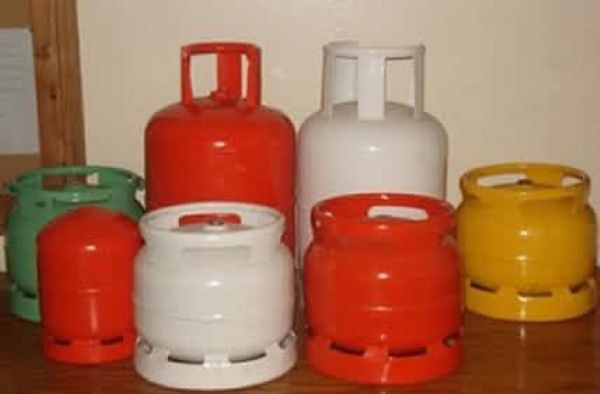
For households already squeezed by food inflation, transport costs and weak purchasing power, the price shock is significant. A 5kg cylinder now costs between ₦8,000 and ₦11,000 to refill in many areas, while a 12.5kg cylinder can cost between ₦20,000 and ₦27,000.
The Minister of State for Petroleum Resources (Gas), Dr Ekperikpe Ekpo, said the government remained committed to ensuring adequate, reliable and affordable gas supply for households, industries and power generation. He directed producers and marketers to sustain LPG supply and prevent avoidable disruptions.
According to the minister, the current price pressure is being driven by foreign-exchange volatility, logistics costs, infrastructure gaps and fluctuations in international LPG prices. He argued that these pressures should not be interpreted as evidence of policy failure, but as market realities that require coordinated response.
The government also said no producer was exporting LPG volumes designated for the domestic market, stressing that regulatory measures remain in place to prioritise local consumption.
Domestic Supply First
At the heart of the government’s intervention is a policy directive that LPG produced in Nigeria should be prioritised for domestic use before export.
The logic is straightforward. Nigeria cannot meaningfully promote gas as a cleaner cooking fuel while domestic consumers remain exposed to unstable supply and unaffordable prices.
Ekpo said the domestic-priority policy had already helped strengthen supply, reduce import dependence and improve market resilience. He added that expected deliveries from Seplat Energy’s new gas facility, due to begin in July, would further boost national LPG availability.
Marketers have also committed to increasing import volumes to complement local supply, especially as demand continues to rise.
But supply alone may not be enough. Nigeria’s LPG market suffers from deeper structural weaknesses: limited storage capacity, uneven depot distribution, high trucking costs, multiple handling charges, foreign-exchange exposure, market speculation and weak infrastructure outside key southern corridors.
These constraints explain why prices can differ sharply across locations and why consumers in inland and northern markets often pay more.
NALPGAM: Prices Could Fall to ₦900–₦1,100/kg by End-2026
The Nigerian Association of Liquefied Petroleum Gas Marketers believes retail cooking gas prices could fall to between ₦900 and ₦1,100 per kilogram by the end of 2026 if the government implements targeted reforms to improve supply, reduce logistics costs and strengthen market transparency.
NALPGAM President, Edu Inyang, said Nigeria had recorded progress in local LPG production, but rising demand and supply-chain challenges continue to keep prices elevated.
According to him, Dangote Refinery and Nigeria LNG supplied about 87 per cent of the domestic LPG market in 2025. However, he said Dangote later clarified that much of its LPG output was intended for higher-value product streams rather than direct supply into the cooking gas market, leading to reduced allocation and unexpected market pressure.
That development exposed the fragility of Nigeria’s LPG supply assumptions. A market that depends heavily on a few large suppliers can become vulnerable when one player adjusts its allocation.
Inyang identified inadequate storage, high transportation costs, foreign-exchange challenges and multiple handling charges as major drivers of retail price increases. He also noted that LPG storage infrastructure remains concentrated around Lagos, the Edo/Delta axis and Port Harcourt, leaving many other regions exposed to expensive distribution.
He argued that consumers would not fully benefit from rising local production unless logistics, depot capacity, trucking and market-access bottlenecks are addressed.
Market Implications
The rising price of LPG has consequences beyond household kitchens.
For consumers, expensive cooking gas forces painful trade-offs. Families may cook less, switch to cheaper but dirtier fuels, or reduce consumption of food items that require longer cooking time. Such behavioural changes have health, nutrition and environmental implications.
For small food vendors, restaurants, bakeries and caterers, higher LPG prices increase operating costs and reduce margins. Some may pass costs to customers, worsening food-price pressure.
For marketers, volatility complicates inventory planning and exposes them to customer backlash. Price instability also creates room for speculative trading, product hoarding and excessive intermediary margins.
For the broader economy, expensive cooking gas weakens Nigeria’s clean-cooking transition. LPG is supposed to reduce dependence on firewood, charcoal and kerosene. But when prices rise beyond household reach, consumers may return to less efficient and more harmful alternatives.
Policy Implications
The LPG crisis is a test of Nigeria’s gas-sector strategy.
For years, government has promoted gas as a transition fuel and a tool for industrialisation, cleaner cooking, power generation and energy security. But policy ambition must now be matched by infrastructure delivery.
Nigeria needs more LPG storage terminals, regional depots, efficient transport networks, gas-processing capacity, strategic reserves and cylinder distribution systems. It also needs a clearer domestic supply obligation framework to ensure that local production translates into local availability.
Regulators must strengthen surveillance to discourage hoarding, opaque pricing and unfair competition. At the same time, government should reduce overlapping charges and regulatory bottlenecks that add avoidable costs to the supply chain.
For low-income households, clean-cooking support programmes may become necessary. Without targeted support, the poorest consumers may be priced out of LPG entirely.
Brand Implications
The cooking gas price challenge carries brand consequences for government, regulators and suppliers.
For the Tinubu administration, LPG affordability is now part of the cost-of-living conversation. Stabilising cooking gas prices would support the government’s energy-transition and household-welfare narrative. Failure to do so could deepen public frustration over reform pain.
For NMDPRA, credibility depends on visible coordination and enforcement. Consumers want more than assurances. They want stable prices, available product and protection from market abuse.
For gas producers and marketers, trust will increasingly depend on transparency, supply reliability and fair pricing. In a market where consumers suspect hoarding or profiteering, brand loyalty can quickly erode.
For Nigeria’s clean-cooking agenda, the brand promise is simple: gas must remain available, safe and affordable.
Investor Relevance
The LPG market remains one of Nigeria’s most attractive energy-investment opportunities.
Demand is growing, clean-cooking adoption is rising and government policy continues to favour gas utilisation. Investment opportunities exist in storage, terminals, trucking, cylinder manufacturing, distribution, gas processing, safety systems, digital retail platforms and regional supply hubs.
However, investors will assess regulatory clarity, pricing stability, foreign-exchange exposure, infrastructure bottlenecks and the credibility of domestic supply policies.
A stable LPG market can attract patient capital. A volatile market can discourage investment and raise financing costs.
The opportunity is large, but execution will determine whether Nigeria becomes a serious LPG growth market or remains trapped in recurring price shocks.
BRANDECONOMY Insight
Cooking Gas Affordability Is Now a Household-Economy Test
Nigeria’s cooking gas problem is not just about LPG. It is about the household economy.
When cooking gas becomes too expensive, families adjust in ways that affect health, food habits, time, safety and dignity. Small food businesses raise prices. Low-income households drift back to firewood and charcoal. The clean-cooking transition slows down.
That is why government intervention must go beyond short-term reassurance.
Nigeria needs a full LPG value-chain reset: domestic supply discipline, regional storage, lower logistics costs, transparent pricing, strong market surveillance and investment in distribution infrastructure.
The country has gas. The problem is converting gas availability into household affordability.
NALPGAM’s projection that prices could fall to ₦900–₦1,100 per kilogram by the end of 2026 is possible only if supply increases, infrastructure improves and market inefficiencies are reduced. Without those reforms, prices will remain vulnerable to foreign exchange, transport costs and speculative behaviour.
For the Tinubu administration, this is a practical opportunity. Stabilising LPG would support consumers, strengthen clean cooking, reduce pressure on forests and improve the government’s energy-sector credibility.
The real measure of gas policy is not the volume produced. It is whether ordinary Nigerians can afford to cook with it.