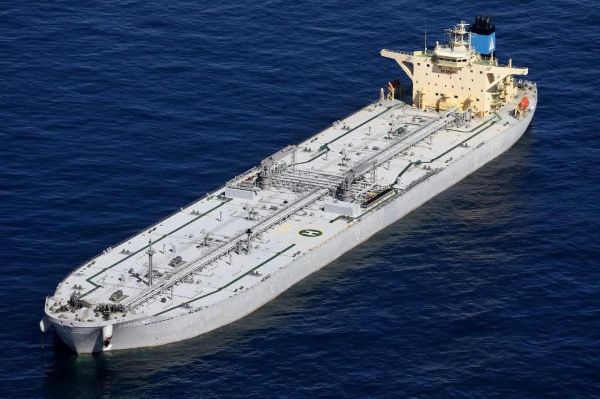
Nigeria’s maritime authority has moved swiftly to protect the country’s international shipping reputation, firmly distancing Nigeria from reports linking it to the intercepted Very Large Crude Carrier (VLCC), Skipper, seized by United States authorities.
The Nigerian Maritime Administration and Safety Agency (NIMASA) categorically confirmed that the vessel neither flies the Nigerian flag nor has any ownership, registration, or operational ties to Nigeria—effectively shutting down narratives that risked associating the country with transnational maritime crime.



Why This Clarification Matters
In today’s hyper-connected maritime ecosystem, reputational damage can be as costly as physical insecurity. Allegations tying vessels to crude oil theft, sanctions evasion, or transnational crime can trigger higher insurance premiums, stricter port inspections, and increased scrutiny of a country’s entire shipping registry.
NIMASA’s clarification therefore goes beyond public relations—it is a strategic defence of Nigeria’s standing in global shipping, energy logistics, and maritime finance.
The Facts Behind the Vessel
According to NIMASA, the vessel—identified by IMO Number 9304667—is not Nigerian-flagged, not registered in Nigeria, and not owned by any Nigerian shipping company recognised under the country’s maritime registry.
Further technical intelligence from NIMASA’s Command, Control, Communication, Computers and Intelligence (C4i) Centre revealed that:
- The vessel was last detected in Nigerian waters on July 1, 2024
- It subsequently embarked on an international voyage, operating in the Arabian Sea and later the Caribbean
- The interception occurred outside Nigeria’s maritime domain
Historical shipping records also show that the vessel previously belonged to Triton Navigation Corp and underwent multiple name changes, a known red flag in global maritime compliance circles—but with no current ownership or registry connection to Nigeria.
Ownership Claims Debunked
NIMASA further clarified that the company cited in some reports—Thomarose Global Ventures Limited—is not registered with NIMASA and has no standing as a licensed shipping operator in Nigeria.
This distinction is critical, as false attribution of ownership can undermine confidence in Nigeria’s shipping registry, port state controls, and maritime governance reforms.
Nigeria’s Broader Maritime Security Position
Reaffirming Nigeria’s stance, NIMASA Director-General Dr. Dayo Mobereola stressed that the country remains fully aligned with international maritime security frameworks and cooperative enforcement.
Nigeria, he noted, will continue to work with global partners—including U.S. authorities—to support investigations where necessary, while maintaining zero tolerance for maritime crime within its jurisdiction.
Just as importantly, Mobereola urged the media and public to verify maritime information carefully, warning that misinformation can damage national credibility, distort investor perception, and unfairly implicate compliant maritime states.
BRANDECONOMY Insight
This episode underscores a critical truth in the Blue Economy era: maritime governance is as much about narrative control as it is about patrol boats and satellite systems.
Nigeria’s rapid, data-backed response demonstrates growing institutional maturity—leveraging maritime intelligence, registry transparency, and international cooperation to counter reputational risk in real time.
As global scrutiny of oil shipping intensifies amid sanctions, energy transition pressures, and anti-theft campaigns, countries that fail to promptly correct misinformation risk being unfairly labelled high-risk jurisdictions. Nigeria’s handling of the Skipper case sends a clear signal: its maritime domain is monitored, accountable, and globally engaged.