

 Nigeria has long exported sporting talent. What it has not done with sufficient discipline is convert that talent into structured economic value. At the 2026 World Intellectual Property Day celebration in Abuja, policymakers, lawyers, athletes and sports-business stakeholders made a clear case: if Nigeria wants sports to contribute meaningfully to GDP, jobs, investment and national branding, it must treat intellectual property not as legal paperwork, but as the commercial backbone of the sports economy.
From Passion to Property
Nigeria’s sports economy is at a turning point.
For decades, the country has produced footballers, athletes, boxers, basketball players and para-sports champions who have carried the national flag across global stages. Yet the domestic sports industry has remained under-commercialised, under-structured and often under-protected.
The missing link is not talent. It is value capture.
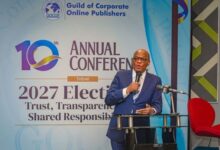
That was the central message at the 2026 World Intellectual Property Day celebration in Abuja, where stakeholders gathered under the theme “IP and Sports: Ready, Set, Innovate.” The event brought together policymakers, sports administrators, athletes, intellectual-property regulators, legal experts and business leaders to examine how Nigeria can unlock sports as a serious economic sector.
At the heart of the discussion was a simple but powerful idea: modern sports is not merely about contests, medals and trophies. It is about media rights, sponsorship, image rights, trademarks, broadcasting, merchandising, fan data, digital platforms, sports technology and brand ownership.
In other words, sports becomes an economy when its intellectual property is properly identified, protected, valued and commercialised.
Shehu Dikko’s Argument: Sports Must Become an Economic Asset
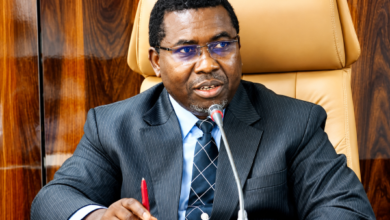
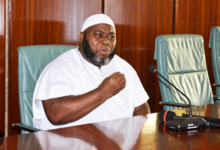
Chairman of the National Sports Commission, Shehu Dikko, delivered the keynote message with the urgency of a reformer. He argued that Nigeria must move beyond treating sports as recreation and begin to manage it as a structured economic asset.
His point is timely. Around the world, sports has become one of the most dynamic intersections of entertainment, technology, tourism, media, betting, advertising, fashion, health, urban development and national soft power. The biggest leagues and clubs are not merely sporting institutions; they are content companies, data companies, licensing platforms, talent factories and global brands.
Nigeria, by contrast, still leaves too much value on the table.
Dikko put it plainly: “Intellectual property is what transforms sports from mere activity into a viable economic asset.”
He noted that ongoing reforms under President Bola Tinubu are aimed at repositioning sports as a contributor to national GDP and job creation. Under the Renewed Hope Initiative for Nigeria’s Sports Economy, the policy ambition is to make sports investment-driven, commercially structured and sustainably financed.
That ambition will not succeed unless intellectual property becomes central to the sector’s governance.
The Real Problem: Nigeria Produces Talent, But Loses Value
Nigeria’s sports ecosystem suffers from a familiar African development problem: raw value exists, but the system does not always convert it into retained wealth.
Athletes often do not fully understand their image rights. Clubs fail to document and protect their brands. Federations under-monetise media assets. Sponsorship agreements are sometimes poorly structured. Merchandising is weak. Piracy dilutes commercial value. Data rights remain poorly understood. Broadcast and digital distribution are not yet developed to their full potential.
Dikko identified several key challenges: weak IP awareness, poor rights documentation, piracy, limited understanding of image and data rights, and inadequate commercial systems around sports assets.
His warning was direct: “We must build a culture where athletes, clubs, and federations understand and protect their intellectual property rights.”
That culture is still emerging. Too many Nigerian athletes think of rights only when disputes arise. Too many clubs think of branding only as logos on jerseys. Too many federations treat competitions as administrative events rather than valuable content assets.
The result is predictable: talent shines, but institutions remain poor.
WIPO’s Message: IP Is the Invisible Engine of Sports
WIPO Director-General, Daren Tang, described intellectual property as the “invisible engine” powering global sports.
The phrase is important because it reframes IP from a legal afterthought into an economic operating system. Behind every major sporting success are trademarks, patents, copyrights, licensing agreements, broadcasting rights, technology innovations, sponsorship contracts, digital assets and protected brands.
Tang noted that IP connects athlete performance with innovation, business and global reach. His message placed Nigeria’s sports discussion within a global commercial context: the sports industry is worth billions not merely because people play games, but because those games generate rights, audiences, content, products, platforms and emotional loyalty.
Sports technology is another major part of the equation. Equipment innovation, performance analytics, wearable devices, digital broadcasting, streaming platforms, ticketing systems, fan-engagement tools and athlete-management software all sit within the broader IP economy.
For Nigeria, this matters because the country cannot build a modern sports economy by focusing only on athletes and competitions. It must also build the legal, digital, commercial and institutional infrastructure that converts sporting activity into bankable assets.
Media Rights: The Sleeping Giant
One of the most important areas discussed was the monetisation of sports through structured media rights.
Globally, media rights are the financial engine behind many successful sports leagues. Television, streaming, highlights, short-form video, digital syndication and platform partnerships help convert fan attention into recurring revenue.
Nigeria has the population, passion and digital youth culture to build strong domestic sports-media assets. But the ecosystem remains fragmented. Competitions are often poorly packaged. Broadcast quality varies. Rights are not always professionally valued. Digital distribution is underdeveloped. Piracy weakens monetisation.
The panel session featuring Beverley Agbakoba-Onyejianya, Jammal Mohammed, Gbemisola Abudu and Emmanuel Olowononi reinforced this point. The panelists identified IP as critical to monetising sports through structured media rights, sponsorship deals and brand protection.
Their message was clear: Nigeria’s sports sector needs stronger legal frameworks, better professional capacity and firmer enforcement.
Athletes as Brands, Not Just Performers
Another major issue is athlete image rights.
In the modern sports economy, athletes are not merely competitors. They are brands. Their names, images, voices, signatures, stories, statistics and digital followings carry commercial value.
A footballer’s image can sell boots, shirts, drinks, games, mobile products, financial services and national campaigns. A track star can become a lifestyle brand. A basketball player can become a digital-content platform. A boxer can build event franchises. A para-athlete can become a powerful ambassador for inclusion, health and resilience.
But this only happens when rights are understood, protected and properly negotiated.
In Nigeria, many athletes still lack access to quality legal advice, commercial representation and IP education. Without these, they may sign poor agreements, lose control of their image, or fail to monetise their influence during the short window of peak performance.
This is not just an athlete problem. It is an ecosystem failure.
Sports, Jobs and the Development Economy
A serious sports economy can create jobs across multiple value chains: coaching, event management, media production, sports law, merchandising, analytics, nutrition, physiotherapy, facility management, ticketing, security, travel, hospitality, gaming, marketing and digital content.
For a country facing youth unemployment and underemployment, sports should be treated as part of the creative and productive economy.
But sports jobs do not emerge sustainably from passion alone. They require investment, structure, enforceable rights, market confidence and commercial planning towards establishing a thriving Nigeria sports economy .
This is why IP matters for development. Investors are more likely to fund clubs, leagues, events, academies and platforms when rights are clear. Sponsors are more likely to commit serious money when brand protection is assured. Broadcasters are more likely to pay when content rights are exclusive and enforceable. Athletes are more likely to build long-term wealth when their image and data rights are protected.
Intellectual property is therefore not simply about ownership. It is about economic confidence.
BRANDECONOMY Insight
Nigeria’s sports economy does not suffer from a shortage of heroes. It suffers from a shortage of systems.
The country has produced global football icons, track stars, basketball players, wrestlers, boxers and para-athletes. It has one of the most passionate sports publics in the world. It has a young population, a powerful entertainment culture, a growing digital economy and a diaspora that follows Nigerian talent with emotional loyalty.
Yet the sports economy remains far smaller than its potential.
The reason is that Nigeria has too often treated sports as competition rather than intellectual property. It celebrates athletes but under-protects their rights. It stages events but under-monetises the content. It builds fan passion but fails to convert it into structured revenue. It attracts sponsorships but does not always build long-term commercial assets.
The Abuja conversation is therefore important because it shifts the question from “How do we win medals?” to “How do we build a sports economy?”
That shift is overdue.
If Nigeria gets IP right, sports can become a serious contributor to GDP, employment, tourism, media, technology and national branding. Clubs can become investable businesses. Athletes can become sustainable brands. Federations can become content owners. Sponsors can enter better-structured partnerships. Broadcasters can pay for protected rights. Start-ups can build around sports data, ticketing, fan engagement and performance analytics.
But elevating Nigeria sports economy will require reform. Nigeria must educate athletes and administrators. It must professionalise rights documentation. It must strengthen enforcement against piracy. It must protect trademarks and image rights. It must clarify data rights. It must attract private capital into leagues, academies, facilities and digital platforms.
Sports is no longer just what happens on the pitch. It is what happens before, during and after the game — in contracts, content, technology, branding and fan engagement.
Nigeria has the talent. The next contest is ownership.
Strategic Takeaways
For policymakers:
Sports should be treated as a productive economic sector, not merely a social or recreational activity.
For athletes:
Image rights, personal branding, endorsements and data rights must be understood early and professionally managed.
For clubs and federations:
Media rights, trademarks, merchandising and sponsorship assets should be properly documented and commercially valued.
For investors:
Sports IP creates opportunities in broadcasting, digital platforms, academies, events, merchandising and fan technology.
For regulators:
Stronger enforcement against piracy and clearer legal frameworks are essential to attract serious sports capital.