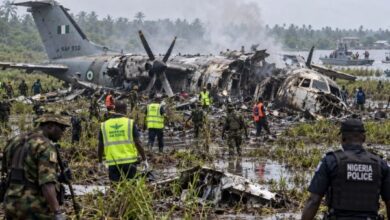
Kaduna Train Attack Trial: How a ₦50m Ransom Split with Mamu Exposed Nigeria’s Terror Financing Network


New DSS Testimony Reveals Chilling Details in the Tukur Mamu Terrorism Case
Nigeria’s fight against terrorism took a dramatic turn as fresh courtroom revelations exposed the financial and digital networks underpinning one of the country’s deadliest terror operations — the 2022 Abuja–Kaduna train attack.
In gripping testimony on the Kaduna Train Attack Trial before the Federal High Court , Abuja, a Department of State Services (DSS) investigator detailed how alleged terror negotiator Tukur Mamu received ₦50 million from Shugaba, the mastermind of the attack that left scores dead and hundreds kidnapped.



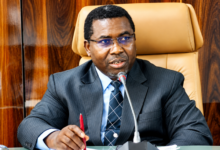
The evidence — extracted from Mamu’s phones and tablet — offers Nigeria’s most detailed insight yet into how terrorists manage ransom payments, coordinate logistics, and exploit intermediaries.
And it paints a disturbing picture of a negotiator who stood closer to the terrorists than previously understood.
The ₦50m “Thank You Gift”: Inside the Ransom Conversation
According to the DSS operative (PW-6), audio recordings recovered from Mamu’s devices captured:
1️⃣ Terror Leader Appreciating Mamu — and Offering Him ₦50m
In one voice note, Shugaba, leader of the terror gang, told Mamu:
“Remove ₦50 million for yourself from the ransom sent.”
The revelation confirms that ransom transactions were not only massive — but personally lucrative for key intermediaries.
2️⃣ Terrorists Demanding Logistics Support
The recordings also show:
- Requests for public address systems for extremist preaching,
- Plans to build a website for terror activities,
- Conversations on fixing ransom delivery dates.
3️⃣ Mamu’s Alleged Pivot Away from Govt Negotiators
Instead of engaging with the Chief of Defence Staff’s official committee, Mamu allegedly:
- Encouraged terrorists to negotiate directly with families,
- Verified ransom amounts,
- Coordinated their delivery.
According to the DSS, this shift weakened government control — and strengthened the terrorists’ negotiating leverage.
The Arrest in Egypt: Panic, Phone Calls & Asset Movements
When Mamu was intercepted in Cairo in 2022, investigators said he immediately phoned his in-law, directing him:
“Move everything out — cash, cars, valuables — before security agents arrive.”
A DSS-executed search warrant later uncovered:
- About $300,000 in cash,
- Seven high-value vehicles (Lexus, Mercedes E350, Toyota Camry Muscle, Peugeot 5008, Hyundai),
- A pump-action rifle with an expired licence.
Many of these items had allegedly been moved to “safe houses” on Mamu’s instructions.
Digital Forensics: Unlocking a Terrorist Negotiation Playbook
Forensic extraction of Mamu’s Samsung tablet and phones produced:
- Hours of Hausa-language voice notes,
- Negotiation timelines,
- Ransom coordination messages,
- Terror logistics requests,
- Identity of key terrorist actors.
The DSS investigator said:
“About 98% of the conversations were in Hausa. We translated the relevant portions for the interrogation team.”
The court accepted:
- Voice notes (in CDs and flash drives),
- Victim statements,
- Eight written statements by Mamu,
- Video recordings of interrogation sessions.
Victims Too Traumatized to Testify
Two victims of the Kaduna train kidnapping provided written statements but told investigators they could not appear in court due to:
- Fear of reprisal,
- Psychological trauma,
- Reluctance to relive the experience.
Their statements were admitted into evidence without objection.
BRANDECONOMY ANALYSIS: Nigeria’s Terror Financing War Enters New Terrain
The ongoing Mamu trial exposes a sobering reality:
1️⃣ Terrorism Has a Sophisticated Financial Architecture
The Kaduna attack cost families hundreds of millions in ransom.
The DSS evidence in the ongoing Kaduna Train Attack Trial suggests:
- Structured channels for cash movement,
- Trusted civilian intermediaries,
- Parallel negotiations outside government oversight.
2️⃣ Nigeria’s Ransom Economy Is Expanding
From Kaduna to Zamfara to Niger, bandits are increasingly:
- Using digital tools,
- Relying on negotiators,
- Reinforcing their operations with ransom-derived revenue.
3️⃣ Digital Forensics Is Becoming the New Battlefield
The Mamu case shows:
- Terrorists now demand websites and communication tools,
- Negotiators rely on encrypted or voice-note-heavy communication,
- Devices are treasure troves of operational intelligence.
4️⃣ Victim Trauma Is a Growing Judicial Obstacle
Fear and psychological scars hamper:
- Eyewitness testimony,
- Trial progress,
- Victim cooperation.
Nigeria’s justice system must adapt with:
- Witness protection programs,
- Remote testimony mechanisms,
- Trauma-informed prosecutorial procedures.
THE ROAD AHEAD
With the resumption of trial scheduled for Nov. 26, the case is poised to redefine:
- Terrorism financing jurisprudence,
- Nigeria’s hostage-negotiation protocols,
- The legal boundaries of intermediaries.
The Federal Government is also expected to apply for:
- Physical inspection of recovered assets,
- Additional forensic depositions.
This is no longer just a trial — it is a window into the economics, psychology and logistics of Nigeria’s modern terror ecosystem.