BGT Orders 3 Newbuild LNG Vessels to Strengthen NLNG’s Global Delivery Capacity

 The newbuild vessels are more than shipping assets. They are strategic infrastructure for Nigeria’s gas-export economy, strengthening NLNG’s delivery capacity, emissions compliance and long-term competitiveness in a changing global LNG market.
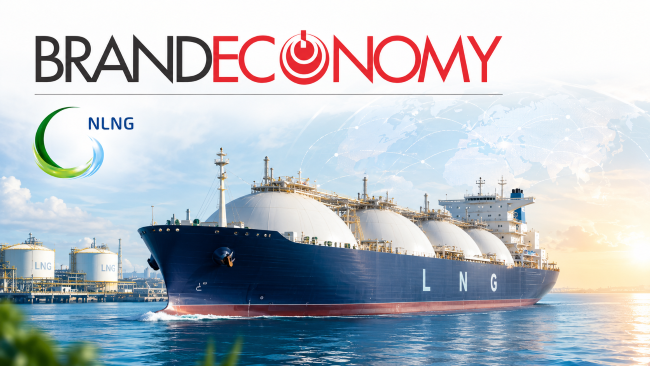 The newbuild vessels are more than shipping assets. They are strategic infrastructure for Nigeria’s gas-export economy, strengthening NLNG’s delivery capacity, emissions compliance and long-term competitiveness in a changing global LNG market.
Bonny Gas Transport Limited (BGT), a subsidiary of Nigeria LNG Limited, has awarded contracts for the construction of three newbuild LNG vessels as part of its fleet renewal and replacement programme.




The contracts were awarded to Hudong-Zhonghua Shipbuilding Group Co. Limited and China Shipbuilding Trading Co. Limited, marking another major step in BGT’s long-term plan to modernise its shipping assets and support NLNG’s global gas-delivery operations.
BGT said each vessel will have a cargo capacity of 174,000 cubic metres and will be equipped with advanced X-DF propulsion technology, designed to improve fuel efficiency and reduce emissions compared with older vessel designs.
The vessels are expected to be delivered in 2029. Upon delivery, they will be chartered by NLNG and managed by NLNG Shipping and Marine Services Limited, the maritime services arm associated with NLNG’s shipping operations.
The development is a significant milestone in Nigeria’s LNG value chain. LNG is not merely produced at liquefaction plants; it must be moved safely, efficiently and competitively across global routes. Modern vessels are therefore essential to the commercial strength of any LNG export business.
For NLNG, fleet renewal is a strategic necessity. As global buyers, regulators and financiers increasingly scrutinise emissions, reliability and supply-chain efficiency, older vessels become less competitive. Newer, cleaner and more efficient carriers help protect market access and strengthen the company’s standing with international customers.
Cleaner Vessels for a Tougher Emissions Era
The decision to deploy vessels fitted with X-DF propulsion technology reflects the direction of global shipping.
LNG shipping is under pressure to reduce emissions, improve fuel efficiency and comply with tightening environmental standards. Vessels that cannot meet future regulatory expectations risk higher operating costs, restricted market access and reputational exposure.
BGT said the new vessels will meet global and European Union emissions requirements and support NLNG’s commitment to sustainability and operational excellence. The vessels are also expected to help NLNG maintain its OGMP 2.0 Level 5 rating, an important signal in methane-emissions reporting and accountability.
This is important because energy buyers are increasingly looking beyond price and volume. They are also asking how energy is produced, transported and measured. For LNG suppliers, environmental credibility is becoming part of commercial competitiveness.
Why the Contract Matters for Nigeria’s Gas Economy
Nigeria has long described gas as its transition fuel and a key pillar of industrialisation. But monetising gas requires more than reserves. It requires liquefaction capacity, pipelines, marine infrastructure, shipping assets, skilled operations, commercial discipline and reliable delivery into international markets.
BGT’s vessel order strengthens one of those critical links: transportation.
For Nigeria, LNG exports remain an important source of foreign exchange, government revenue, tax flows, dividends, industrial activity and global energy relevance. The ability to deliver cargoes reliably matters to customers, financiers and partners.
The three new vessels will help ensure that NLNG’s shipping capacity remains aligned with modern market expectations. They also position BGT and NLNG for a future in which efficiency, emissions performance and fleet reliability will increasingly determine competitiveness.
Policy Implications: Gas Strategy Must Include Maritime Capability
The award of new LNG vessel contracts should remind policymakers that Nigeria’s gas ambition is inseparable from maritime capacity.
If Nigeria wants to become a serious gas economy, it must think across the entire value chain: upstream gas production, processing, liquefaction, shipping, port systems, marine services, skills development, safety regulation and financing.
The policy opportunity is clear. Nigeria should use major LNG shipping investments to deepen local maritime competence, expand technical training, strengthen marine services, improve ship-management capabilities and create more high-value employment in the energy-shipping ecosystem.
The country must also ensure that its gas policy is consistent. LNG projects require long-term planning and capital-intensive infrastructure. Investors need policy stability, fiscal clarity, contract discipline and a regulatory environment that supports gas development.
Brand Implications: NLNG Reinforces Reliability and Sustainability
For NLNG and BGT, the order strengthens brand positioning in three ways.
First, it reinforces reliability. A modern fleet improves confidence that cargoes can be delivered efficiently and on schedule.
Second, it supports sustainability credibility. Cleaner and more efficient vessels help align NLNG with the expectations of global energy buyers, regulators and financiers.
Third, it signals long-term commitment. Fleet renewal is not a short-term public-relations move; it is a capital-intensive strategic investment that shows confidence in the future of Nigeria’s LNG business.
In global LNG markets, reputation matters. Buyers want suppliers that are dependable, compliant and future-ready. This contract helps position NLNG within that frame.
Investor Relevance
For investors and energy-market watchers, the vessel order speaks to asset renewal, operational efficiency and long-term market access.
Modern LNG carriers can improve fuel economics, reduce emissions-related exposure and support better utilisation over time. They also help protect the commercial value of LNG supply chains in a market where environmental performance is becoming more important.
The development also signals confidence in NLNG’s long-term export role. A company does not commit to new vessels for delivery in 2029 without a view of future demand, contractual obligations and strategic positioning.
However, investors will watch several issues: vessel financing structure, charter economics, LNG demand trends, emissions regulation, shipping costs, global gas-price volatility and Nigeria’s broader ability to sustain gas supply to liquefaction facilities.
The vessels strengthen the transport side of the value chain. But the full investment case also depends on upstream gas availability, plant reliability and policy consistency.
Market Consequences
The contract has wider market implications.
For global LNG buyers, it suggests NLNG is investing in delivery reliability and future-ready shipping. For competitors, it signals that Nigeria intends to remain relevant in LNG supply despite growing competition from other gas-exporting regions.
For the shipping market, the order adds to demand for technologically advanced LNG carriers and reinforces the role of Asian shipyards in high-value energy shipping construction.
For Nigeria’s maritime ecosystem, the long-term opportunity lies in skills transfer, ship management, marine operations, logistics support and technical services.
The risk is that Nigeria remains only a cargo owner and charter beneficiary while most high-value shipbuilding, financing and technical capacity remain offshore. The policy challenge is to capture more value from the maritime-energy supply chain over time.
BRANDECONOMY Insight
Nigeria’s Gas Future Will Depend on Infrastructure, Not Slogans
BGT’s award of contracts for three new LNG carriers is a strategic move that should be understood within Nigeria’s broader gas-economy ambition.
Nigeria has the reserves. It has the LNG experience. It has the market opportunity. But gas wealth becomes economic power only when infrastructure converts reserves into reliable supply, exports, jobs and foreign exchange.
These vessels by BGT are part of that infrastructure.
They will help NLNG move cleaner energy more efficiently, comply with tougher emissions standards and maintain credibility with global customers. That matters in a market where buyers are becoming more demanding and competitors are investing heavily.
But the bigger lesson is this: Nigeria’s gas strategy must be integrated. Ships alone are not enough. The country needs stable upstream gas supply, investment-friendly policy, efficient liquefaction operations, strong maritime capacity, local technical skills and a clear energy-transition narrative.
Fleet renewal also raises a local-content question. Nigeria must gradually capture more value from the shipping side of its LNG business. Ship management, marine training, maintenance support, logistics, crewing and energy-maritime services should become stronger parts of the domestic economy.
These new vessels by BGT are therefore not just assets on water. They are signals of where Nigeria’s gas economy must go: cleaner, more efficient, more reliable and more globally competitive.