
From Yankari to Digital Tourism: Bauchi Seeks New Growth Path Through AI

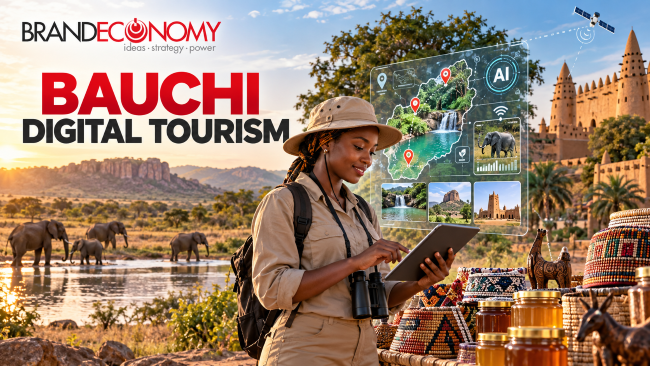 As World Tourism Day spotlights technology and artificial intelligence, Bauchi State is pushing a digital tourism agenda that could reshape conservation, visitor experience, community enterprise and investment visibility.
A Digital Turn for Bauchi Tourism




Bauchi State is seeking to reposition its tourism economy by adopting digital technology and artificial intelligence as tools for destination marketing, wildlife protection, visitor management and inclusive community growth.
The Bauchi State Tourism Development Corporation said the move aligns with the 2026 World Tourism Day theme, “Digital Agenda and Artificial Intelligence to Redesign Tourism.” The annual celebration, marked every September 27, draws attention to tourism’s role in social, cultural and economic development.
In a statement issued on Sunday by Ismail Gokaru, the corporation’s Public Relations Officer and Protocol Officer, BSTDC said Bauchi was ready to use digital platforms to showcase its tourism assets to local and international visitors, conservation stakeholders, investors and innovators.
The Assets Bauchi Wants the World to See
Gokaru listed Bauchi’s major attractions to include Yankari Game Reserve, Sumu Wildlife Park, Maladumba Lake, Baban Gwani Gidan Madaki Palace, Lame Bura Game Reserve, Tafawa Balewa Museum and Gidan Tatari Ali Museum in Zaki Local Government Area.
These assets give Bauchi a compelling tourism mix: wildlife, culture, history, heritage architecture, nature, museums and recreational experience. Yankari, in particular, remains one of Nigeria’s most recognisable wildlife tourism brands. Its elephants, warm springs and savannah landscape have long offered Bauchi a natural advantage in eco-tourism.
Yet natural advantage alone is no longer sufficient. Destinations now compete on search visibility, visual storytelling, online trust, ease of booking, visitor safety information, digital reviews and consistent destination branding.
Technology as Conservation Infrastructure
The corporation said digital technology would also support wildlife monitoring, anti-poaching patrols and the tracking of visitor impact on fragile ecosystems. Gokaru captured the principle clearly when he said technology must help protect nature rather than exploit it.
This is the most important part of Bauchi’s digital tourism agenda. If properly implemented, AI and digital tools can help tourism authorities understand animal movement, detect threats, monitor visitor pressure, map risk zones and manage conservation resources more efficiently.
For eco-tourism destinations, the big challenge is balance. More visitors can generate more income, but uncontrolled traffic can damage habitats, disturb wildlife and erode the very assets that attract tourists. A digital system that measures visitor flow and environmental pressure can help Bauchi avoid the common trap of promoting nature without protecting it.
Community Inclusion and the New Tourism Value Chain
BSTDC also said it was committed to ensuring that tourism development directly benefits host communities through digital skills and entrepreneurship opportunities. According to Gokaru, tour guides, women honey producers, community craft makers and youths will be supported to acquire relevant digital skills.
This is where the development economics of tourism becomes critical. Tourism is most powerful when it converts place-based assets into distributed livelihoods.
If women honey producers can sell through digital channels, if craft makers can reach buyers beyond the point of visit, if guides can market trusted experiences online, and if young people can create content, manage bookings or build local tourism services, then tourism becomes more than sightseeing. It becomes an enterprise platform.
Partnerships for Sustainable Tourism
The corporation said it is working with the Agro-Climatic Resilience in Semi-Arid Landscapes project, the Wildlife Conservation Society and the Nigerian Conservation Foundation to promote sustainable tourism.
That partnership mix is important because Bauchi’s tourism ambitions sit at the intersection of conservation, climate resilience, culture, community enterprise and destination marketing.
The better path is regenerative tourism: tourism that protects ecological assets, improves community livelihoods, preserves heritage and gives investors confidence that destination development is not destroying the product it is trying to monetise.
Market Implications
Bauchi’s digital tourism agenda could improve destination visibility and visitor confidence if it delivers practical tools: a reliable tourism portal, searchable attraction profiles, digital maps, booking links, safety information, conservation updates, event calendars, transport guidance and verified guides.
For the Bauchi brand, the opportunity is to move from passive destination awareness to active destination positioning. The state can own a clear proposition around wildlife, heritage, conservation and community-based tourism. But that proposition must be consistent, visual and credible.
Brand Implications
Bauchi has an opportunity to reposition itself as Nigeria’s leading eco-cultural tourism destination, but the brand must be built around conservation credibility, visitor trust, community benefit and world-class digital storytelling.
A scattered digital presence will not be enough. The state needs a coherent destination identity that makes its tourism assets easy to understand, easy to access and easy to believe in.
Investor Relevance
For investors, the relevance is clear. Better digital data can make tourism assets easier to evaluate. Visitor numbers, seasonal patterns, spending behaviour, accommodation gaps, conservation risks and infrastructure needs can guide investment in hospitality, transport, recreation, food services, creative industries and eco-tourism experiences.
However, investors will also look beyond slogans. They will want road access, security, power, policy consistency, land clarity, environmental safeguards and professional destination management. Digital platforms can attract attention, but physical infrastructure and institutional reliability will determine whether interest becomes investment.
BRANDECONOMY Insight
Bauchi’s embrace of AI and digital technology is a welcome signal, but the state must treat technology as infrastructure, not decoration. A tourism website, social media campaign or AI slogan will not transform the sector unless it is backed by data, conservation discipline, community enterprise and investor-ready governance.
The stronger opportunity is to make Bauchi Nigeria’s model for digitally enabled eco-cultural tourism: a destination where wildlife is protected, local communities earn, heritage is promoted, visitors are guided, and investors can see credible data.
If Bauchi gets this right, tourism can become more than leisure. It can become a platform for conservation, jobs, state branding, creative enterprise and inclusive growth. The real test is execution: turning digital ambition into measurable visitor experience, community income, environmental protection and investable destination value.