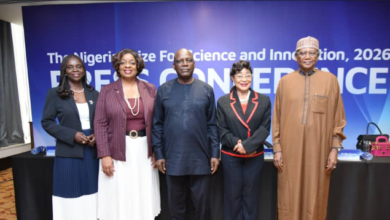
With barely two weeks to the commencement of Nollywood @20 celebrations, stakeholders in the industry on Tuesday held a meeting to reflect on their level of preparedness towards the event. The meeting which was presided over by Zik Zulu Okafor, President of Association of Movie Producers and Andy Amenechi, President of Directors’ Guild of Nigeria had famous actors, actresses, film producers, and directors, marketers, set designers, costumiers and other key stakeholders in attendance.

Addressing stakeholders at the meeting, Zik Zulu said there is every reason to celebrate the achievement of Nollywood in the last two decades. “For the first time in history, all of us are coming together to celebrate ourselves but we know it’s not easy. President Jonathan has hosted us now we are the hosts inviting the crème of Nigeria and the world to join us in celebration. Let me say simply that on November 2, the celebration begins. November 27 we will be the grand finale of the celebrations. The 2nd November event will be held at the very magnificent Intercontinental Hotel, Lagos, the tallest hotel in West Africas.”
Zik Zulu Okafor also provided an insight into Nollywood’s package for the celebrations and what it is all about “on that opening day, the world will watch us as we play out our story of Nollywood; our people telling their stories for them to see. We are inviting dignitaries; the national troop is performing for Nollywood @ 20. We want our people to come because we are celebrating our people. Not just stars; some of you that have worked quietly; that have sacrificed so much because you believe in this industry, we want to celebrate you. That is what this is about.”
Zik Zulu Okafor noted that the responses from the states and federal government have been very encouraging but that more is expected of them. He equally enjoined corporate Nigeria to do more in terms of support for Nollywood, especially as the stars produced by the industry have become great ambassadors for their various brands.
Speaking further on their effort and benefits the industry stands to derive from the celebrations, Zik observed that “Nollywood does not have fat wallet but we have fat will; we are always improvising. Today we have a team coming from Harvard University, we have a team coming from Georgia Tech; two of best institutions in the world. It is confirmed that they will arrive this country on 25th, hold master class workshops for our professionals on 26th. We are also getting digital bridge institute manned by an American trained professor for the coaching clinics where young people will be exposed to training. Our advertisements right now are running in about 50 countries. We have been working but it has not been easy. Achieving these modest results has been the result of huge personal and financial sacrifice of members of the organizing committee. We shall be counting on the goodwill and support of all critical stakeholders to put up a show of all time and take Nollywood to the next dizzying level.
On his part, the President, Directors Guild of Nigeria Andy Amenechi, said Nollywood is out to celebrate in a way that will exceed expectations. He therefore called for the active involvement of all members in order to make this a reality. He said “A lot of eyes just like the pay off says ‘Two billion eyes on Nollywood’ but I can tell you it’s far more than that because we are running now in 48 countries and on that 2nd and 27th of November, there will be online streaming in those 48 countries. What I want to ask my colleagues and friend here is that we need every single hand on deck; selfless service.
CEO of HQSC &BRANDPOWER, Nnanke Harry Willie informed the house that the Nollywood brand will achieve its true brand value if the positive aspects of the industry are clearly communicated to the various critical target audiences. He noted that any association of the Nollywood brand with any sponsor or partner can only bring great benefits to all parties. The Nollywood @ 20 project he believes, will be a game-changer in the reinvention and ultimate transformation of the Nigerian brand.