Abuja–Kaduna Train Passengers Decry Ticketing-Racketeering and Poor Service

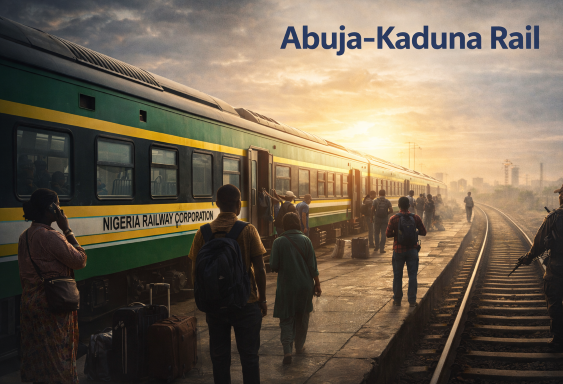 Passengers on the Abuja–Kaduna rail corridor have recounted troubling experiences ranging from alleged ticket racketeering and overcrowding to mechanical disruptions mid-journey.
Several commuters told reporters in Abuja that trips expected to last about two hours stretched beyond three hours, with many passengers reportedly standing throughout the journey.



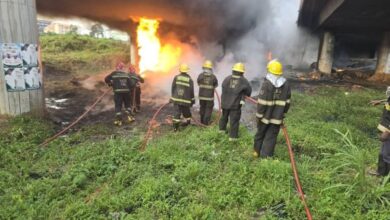
More concerning were claims that attendants had to pour water on an overheating power unit during transit, temporarily shutting down lighting and cooling systems in the coaches.
Allegations of Ticketing Irregularities
Mr. Solomon Abiona said his ordeal began days before departure when he was unable to secure tickets through the Nigerian Railway Corporation (NRC) online booking platform.
According to him, repeated attempts to purchase five tickets were unsuccessful, as the system showed seats fully booked. He later alleged he was directed to an intermediary who facilitated tickets at ₦6,000 each — above the official ₦3,600 fare — and that the tickets were issued in different names.
On his return trip, he claimed tickets were issued without seat numbers, forcing him and others to stand for hours after rightful seat holders arrived.
Another passenger, Ibrahim Bulus, attributed congestion to the reduction in daily trips from six to two, particularly during weekends when demand peaks.
Mechanical Concerns and Passenger Anxiety
Passengers also reported repeated overheating of a component supplying onboard power, leading to temporary shutdowns of air conditioning and lighting.
Chief John Fabunmi described the experience as distressing, noting that more than 100 passengers were standing in the coaches at one point. He expressed concerns about safety, especially given the train’s role as an alternative to road travel along the Abuja–Kaduna highway, which has faced security challenges in the past.
Other commuters compared the service unfavourably to rail systems in countries such as South Africa and Kenya, questioning why a standard-gauge corridor continues to face operational challenges.
NRC Responds
In response, Mr. Abubakar Bunma, Personal Assistant on Media to the NRC Managing Director, Kayode Opeifa, denied that Kaduna-Abuja Rail tickets are issued without seat numbers under official procedures.
He explained that tickets are generated online and linked to passenger details, including National Identification Number (NIN) and phone number. He acknowledged that failed transactions may require rescheduling, and in rare cases, passengers insisting on travel could be allowed to stand if no seats remain.
On the overheating issue, Bunma clarified that it was not the locomotive engine but the power car generator — which supplies electricity to onboard systems — that experienced overheating.
He added that following the August 16, 2025 incident, journey duration was extended from two and a half hours to three hours for safety reasons. He also said management had concluded plans to increase daily trips to ease congestion.
Growing Expectations, Eroding Confidence
For many commuters, the Abuja–Kaduna rail line symbolised progress — a safer and more reliable alternative to road travel.
However, passenger testimonies reveal mounting frustration over service quality, ticket access and operational reliability.
Stakeholders say restoring confidence will require transparent ticketing processes, increased daily frequencies, stricter oversight of staff conduct and improved maintenance standards.
Until visible reforms materialise, the corridor risks weakening public trust in one of Nigeria’s flagship transport investments.