FG Says Ongoing Reforms Aimed at Repositioning Nigeria for Sustainable Growth

Nigeria’s Federal Government says it is implementing wide-ranging reforms designed to reposition the country for long-term economic growth and national development.
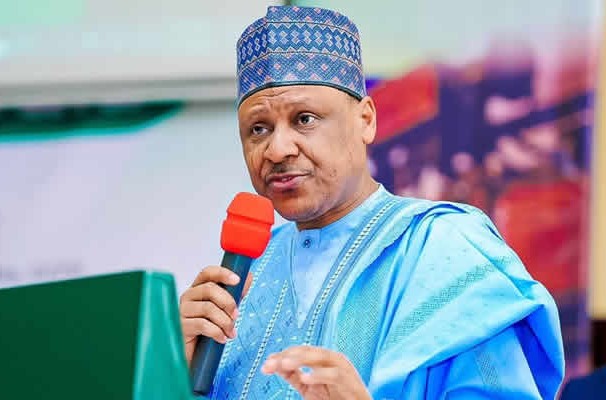
The Minister of Information and National Orientation, Mohammed Idris, made the remarks during the inauguration of the Media and Publicity Subcommittee for the 2026 National Convention of the All Progressives Congress (APC).



Speaking via Zoom from London during the ceremony held in Abuja, the minister said the administration of Bola Ahmed Tinubu is currently implementing major policy reforms aimed at strengthening the foundations of Nigeria’s economy and governance systems.
Reforms Linked to Renewed Hope Agenda
According to Idris, the reform programme is central to the administration’s Renewed Hope Agenda, which seeks to stimulate economic transformation and improve the long-term prospects of Africa’s largest economy.
He noted that the upcoming APC National Convention represents a significant moment for the ruling party as it continues to consolidate its internal structures and reaffirm its policy direction.
“This convention is a major milestone in the life of our party as we continue to strengthen internal democracy and reinforce our vision for a united, prosperous and progressive Nigeria,” Idris said.
He added that the Tinubu administration’s reforms are designed to reposition Nigeria for sustainable economic growth and national development.
Media Committee Tasked with Strategic Communication
The minister emphasised the importance of effective communication in shaping public understanding of political events and government programmes.
According to him, the newly inaugurated Media and Publicity Subcommittee has been tasked with coordinating communication activities for the APC National Convention.
He said the committee’s responsibilities extend beyond publicity to include accurate information dissemination, media engagement, transparency, and effective reporting of convention activities to both domestic and international audiences.
Idris explained that the subcommittee had been organised into seven operational groups responsible for key functions such as:
- Content development and media relations
- Media planning and placement
- Liaison with other convention subcommittees
- Documentation and report writing
- Media monitoring and performance evaluation
- Production of print and audio-visual reports
- Coordination of convention media operations
He encouraged members of the committee to approach their responsibilities with professionalism and creativity.
According to him, effective use of media platforms will ensure that the convention is widely and positively covered.
Leadership of the Committee
The minister also confirmed that former Yobe State Governor, Mai Mala Buni, has been appointed Chairman of the Media and Publicity Subcommittee, while Idris will serve as Co-Chairman.
He congratulated members of the committee on their appointment and urged them to deliver on their mandate with integrity and credibility.
BRANDECONOMY Insight
The federal government’s emphasis on “bold reforms” reflects the broader economic reset currently underway in Nigeria under President Tinubu’s administration.
Since assuming office in 2023, the government has pursued several policy adjustments aimed at addressing structural weaknesses in Africa’s largest economy.
Three major reform pillars are shaping the current policy landscape.
1. Macroeconomic Rebalancing
The administration has initiated reforms designed to stabilise Nigeria’s fiscal and monetary environment.
These include fuel subsidy removal, exchange-rate liberalisation, and fiscal restructuring aimed at reducing long-standing economic distortions.
While these policies have generated short-term economic pressure, the government argues they are necessary to restore macroeconomic stability.
2. Political Consolidation within the Ruling Party
Party conventions such as the upcoming APC gathering serve as platforms for reinforcing political cohesion and aligning party structures with the administration’s reform agenda.
Strong internal party coordination is often critical for sustaining difficult policy reforms.
3. Strategic Communication as Policy Tool
In an era of rapid information flows, political communication has become an essential component of governance.
By emphasising media engagement and narrative control around policy initiatives, the government appears to be focusing on shaping public perception of reforms that may require patience before delivering full economic benefits.
Ultimately, the success of Nigeria’s reform programme will depend not only on policy implementation but also on public confidence, institutional coordination, and sustained political consensus.