Nigeria Wins Global AML Credibility as EU Removes Country from High-Risk List

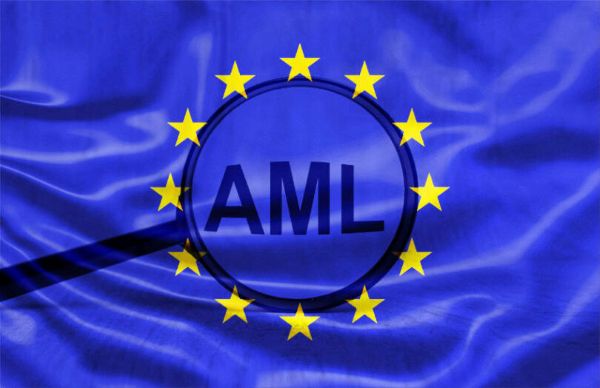
Nigeria has recorded a decisive breakthrough in global financial credibility, exiting the European Union’s (EU) list of high-risk jurisdictions for anti-money laundering and counter-terrorist financing (AML/CFT), in a move expected to unlock smoother trade, investment flows and cross-border banking relations with Europe.
The delisting, formalised under the European Commission Delegated Regulation (EU) C (2025) 8460 adopted on December 4, 2025, followed updated assessments by the Financial Action Task Force (FATF) at its October 2025 plenary. The decision takes effect from January 29, 2026.




A Turning Point for Nigeria’s Financial Reputation
The development marks a significant reversal of years of reputational drag on Nigeria’s financial system, placing the country alongside peers such as Burkina Faso, Mali, Mozambique, South Africa and Tanzania, which were also removed after exiting the FATF “grey list”.
According to Nigerian Financial Intelligence Unit, the European Commission’s decision reflects sustained improvements in the effectiveness of Nigeria’s AML/CFT and counter-proliferation financing (CPF) frameworks, including the closure of long-standing technical and operational gaps.
“This decision represents an important external validation of Nigeria’s steady progress in strengthening its AML/CFT/CPF framework,” said Hafsat Bakari, Chief Executive Officer of the NFIU.
“It demonstrates that consistent reforms, effective coordination and strong national ownership can translate into tangible international outcomes.”
Why the EU Delisting Matters
Removal from the EU’s high-risk list carries immediate commercial and financial benefits. Nigerian transactions with European counterparties will no longer attract enhanced due-diligence requirements reserved for high-risk jurisdictions—reducing compliance costs, transaction delays and risk premiums.
For Nigerian exporters, banks and fintechs, the shift improves competitiveness within Europe’s financial ecosystem, while strengthening Nigeria’s appeal to foreign investors seeking predictable, rules-based markets.
Beyond trade and capital flows, the delisting reinforces Nigeria’s standing as a cooperative and responsible participant in the global financial architecture, particularly at a time of heightened scrutiny over illicit financial flows.
The Tinubu Reform Effect
Stakeholders have attributed the milestone to strong political leadership and institutional coordination under President Bola Tinubu, whose administration elevated AML/CFT reforms as a core pillar of economic governance.
Sustained collaboration across the National Assembly, regulators, law-enforcement agencies, the judiciary, the private sector and development partners ensured full implementation of Nigeria’s FATF Action Plan—leading to Nigeria’s removal from the FATF grey list in mid-2025 and now the EU delisting.
Finance Minister: A Vote of Confidence
Reacting to the announcement, the Minister of Finance and Coordinating Minister of the Economy, Wale Edun, described the EU decision as a powerful endorsement of Nigeria’s reform trajectory.
“This is a major vote of confidence in Nigeria’s economic and financial reforms,” Edun said, noting that the outcome was driven by “extraordinary leadership, unwavering political will and a clear reform vision.”
According to the minister, decisive inter-agency coordination, sustained engagement with international partners and the overhaul of legal and regulatory frameworks were central to addressing strategic deficiencies previously identified in Nigeria’s AML/CFT regime.
Responsibility Beyond the Win
While the delisting delivers clear economic upside, authorities have cautioned against complacency. The NFIU emphasised that the achievement places a renewed responsibility on all stakeholders to deepen reforms, adapt to evolving financial crime risks and maintain alignment with global standards.
Nigeria will continue engagement with the Financial Action Task Force, regional bodies and European partners to ensure long-term resilience and credibility of its financial system.
As global capital becomes increasingly selective, Nigeria’s exit from the EU high-risk AML list signals more than regulatory compliance—it marks a strategic repositioning of Africa’s largest economy as a trusted destination for trade, investment and financial partnerships.