Lagos Police Bust Viral ‘Self-Kidnapping’ Rackets as Social Media Scams Trigger Security Reset

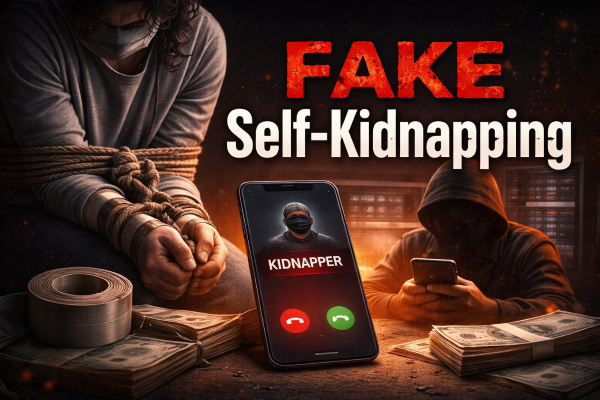
Lagos’ security architecture is adapting to a new—and deeply troubling—crime pattern: staged kidnappings engineered for social-media virality and ransom extraction. In a coordinated response, the Lagos State Police Command has intensified monitoring of digital platforms and deployed tactical assets to dismantle what authorities describe as a growing wave of “self-kidnapping” scams.
The move reflects a broader shift in criminal tactics—where deception, anonymity and cross-border digital tools are weaponised to manufacture fear, divert security resources and extort families at speed.




How the Scams Work—and Why They Spread
According to the police, several viral videos and distress messages that sparked panic and triggered ransom payments were carefully choreographed hoaxes. The modus operandi is simple but effective: fabricate an abduction narrative, amplify it on WhatsApp and other platforms, demand urgent payment, and exploit the emotional shock window before verification occurs.
Abimbola Adebisi, spokesperson of the Lagos State Police Command, said the Commissioner of Police, Olohundare Jimoh, has activated Tactical Squads and anti-crime units to strengthen rapid response and digital verification.
“The command is closely monitoring reports on social media and other platforms to promptly verify and address any incidents that may cause public anxiety,” said Abimbola Adebisi, Spokesperson, Lagos State Police Command.
Case Files: When ‘Victims’ Become Perpetrators
Investigations have exposed multiple variations of the scam:
- A cross-border extortion plot: A 26-year-old housewife staged her own abduction, triggering frantic calls to her husband in South Africa. A ₦10 million demand was negotiated down; ₦2.5 million was paid—yet no release followed. That inconsistency prompted deeper scrutiny. Police uncovered a coordinated ruse involving an accomplice in Osun State who supplied a SIM card used to negotiate ransom on WhatsApp. The “victim” later confessed; even the iPhone claimed stolen had already been sold.
- A teenage ring in Ago Palace: Five suspects aged 15–20 orchestrated another fake kidnapping that went viral. A 15-year-old boy staged his abduction in a friend’s room to extort ₦1.7 million from his mother. Detectives traced the payment via a POS terminal, leading to arrests.
- A couple’s desperation scheme: A young couple allegedly faked the wife’s kidnapping to demand ₦10 million from relatives and friends. The plot unravelled at a school in Cappa, Lagos, after security personnel flagged suspicious behaviour. The 19-year-old wife later admitted planning what she called a “prank kidnapping,” citing financial hardship and her husband’s failed attempts to return to the United States.
Security Implications: From Kidnap Risk to Trust Deficit
From a defence and rights perspective, these scams are not harmless pranks. They divert scarce security resources, inflate public fear, and undermine trust in genuine distress signals—a dangerous externality in a city of over 20 million people. The police warn that false reporting and criminal deception can compromise response times for real emergencies.
To counter this, Area Commanders and Divisional Police Officers have been directed to engage community leaders, tighten intelligence loops, and improve front-line verification before panic escalates.
Public Guidance: Verify Before You Transfer
Adebisi urged residents to stay vigilant, verify distress calls, and resist the pressure to transfer funds without confirmation. She recommended family verification codes, regular check-ins with loved ones, and immediate reporting of suspicious activity.
“Avoid rushing to transfer money without confirmation and promptly report suspicious activities to the nearest police station or through the command’s emergency numbers,” she said.
The Command also cautioned would-be perpetrators to desist, stressing that intensified monitoring—both online and offline—will continue to safeguard lives and property across Lagos.
BRANDECONOMY Insight
The rise of viral self-kidnapping scams marks a new convergence of cyber deception and physical-world extortion. Policing responses must therefore blend digital forensics, community intelligence and rapid verification protocols. For citizens, the lesson is equally stark: speed must never replace scrutiny. In an era where fear travels faster than facts, verification is the first line of defence.