iPhone 17e: How Apple’s Mid-Tier Upgrade Strategy Is Redefining Smartphone Value

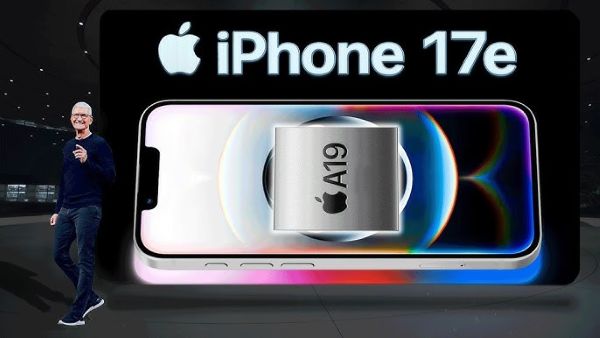 At first glance, the reported launch of Apple’s iPhone 17e looks incremental—another mid-cycle refresh, another spec bump, another quiet press release. In reality, it signals something far more strategic: a deliberate recalibration of Apple’s product cadence, pricing architecture, and market coverage at a time of slowing global smartphone growth and rising competitive pressure.
Coming off a record iPhone sales quarter, Apple is not chasing volume for survival. It is refining how it monetises scale, extends ecosystem lock-in, and extracts value from every tier of its lineup. The iPhone 17e sits squarely at the centre of that play.




Context: From Budget iPhone to Strategic Bridge Device
The “e” line has quietly replaced the iPhone SE as Apple’s entry-to-core transition product. Where the SE prioritised affordability and nostalgia, the 16e—and now the expected 17e—prioritises modern form factor, ecosystem compatibility, and performance longevity.
The iPhone 16e marked a decisive shift:
- OLED display instead of LCD
- Full Apple Intelligence support
- Flagship-grade silicon in a simplified hardware shell
The iPhone 17e appears designed to extend that philosophy, not reinvent it.
This is Apple recognising that the mid-tier smartphone buyer today is not budget-constrained—but value-optimising.
Core Analysis: The Four Upgrades That Actually Matter
1. A19 Chip: Performance as a Retention Tool
By reportedly deploying the A19 processor—shared with the flagship iPhone 17—Apple is compressing performance differentiation across its lineup.
This does two things:
- Extends usable device lifespan, reinforcing resale value and upgrade confidence
- Keeps lower-priced users fully embedded in Apple’s AI and services ecosystem
In a world where hardware margins are under pressure, compute longevity equals customer lifetime value.
2. In-House Connectivity: Apple’s Silicon Sovereignty Expands
The move to Apple-designed connectivity chips (C1X modem, N1 Wi-Fi/Bluetooth chip) is strategically profound.
Apple is:
- Reducing dependency on third-party silicon vendors
- Optimising power efficiency at the system level
- Gaining tighter control over user experience, latency, and reliability
Connectivity is no longer a background feature—it is a competitive moat, especially as AI, spatial computing, and cross-device workflows intensify.
3. MagSafe: Monetisation Beyond the Device
The reported addition of MagSafe is not cosmetic. It is revenue architecture.
MagSafe:
- Expands Apple’s accessory ecosystem
- Encourages premium add-on purchases
- Reinforces physical-digital ecosystem lock-in
This is Apple monetising after the sale—an increasingly important lever as device replacement cycles lengthen.
4. Silent Launch, Loud Signal
If Apple again chooses a press-release-only launch, the message is intentional:
this product is operational, not aspirational.
Apple now reserves spectacle for category-defining shifts. The 17e’s job is to scale quietly, efficiently, and profitably.
Implications: What This Means for the Industry
For Competitors
Apple is compressing the space between “mid-range” and “flagship,” making it harder for Android OEMs to justify premium pricing without equivalent ecosystem depth.
For Consumers
Buyers are being nudged toward devices that feel future-proof without flagship pricing—reducing upgrade anxiety and increasing brand loyalty.
For Investors
The 17e reinforces Apple’s transition from a hardware-first company to a platform-led value extractor, where silicon, services, and accessories compound margins.
Forward Outlook: What Comes Next
The iPhone 17e is unlikely to dominate headlines—but it may dominate unit economics.
Expect Apple to:
- Continue narrowing performance gaps across tiers
- Push in-house silicon deeper into connectivity and power management
- Use “e” devices as testbeds for ecosystem-first strategies
The next phase of smartphone competition will not be about who innovates fastest—but who integrates best.
BRANDECONOMY Insight
Apple’s real innovation is no longer visible in design changes—it is embedded in how it choreographs value across time.
The iPhone 17e is not designed to impress reviewers. It is designed to retain users, monetise ecosystems, and stabilise revenue in a maturing market. In that sense, it may be one of Apple’s most strategically important releases of the year—precisely because it feels understated.
Quiet products often carry the loudest balance-sheet impact.